Blockchain Airdrop: How They Work, Who Gives Them, and What to Watch For
When you hear blockchain airdrop, a free distribution of cryptocurrency tokens to wallet holders as a marketing or community-building tactic. Also known as crypto airdrop, it's one of the most common ways new projects get users on board—but not every airdrop is legit. Some give you real value. Others are just traps dressed up as free money.
Projects run token airdrop, a distribution of native tokens to wallets that meet certain criteria like holding a specific coin, using a platform, or joining a community to build early adoption. You don’t pay for it. You don’t need to mine it. You just do a few simple tasks—like following a Twitter account, joining a Discord, or holding a token—and if you qualify, tokens land in your wallet. But here’s the catch: most airdrops never go anywhere. The crypto rewards, free tokens given to users for participation in a network or campaign might be worth $0.01 after a year. Or worse, they vanish when the team disappears. Look at projects like Ancient Kingdom (DOM) or Bounty Temple (TYT). They gave out tokens, promised games and utility, and then vanished. No code. No team. No future.
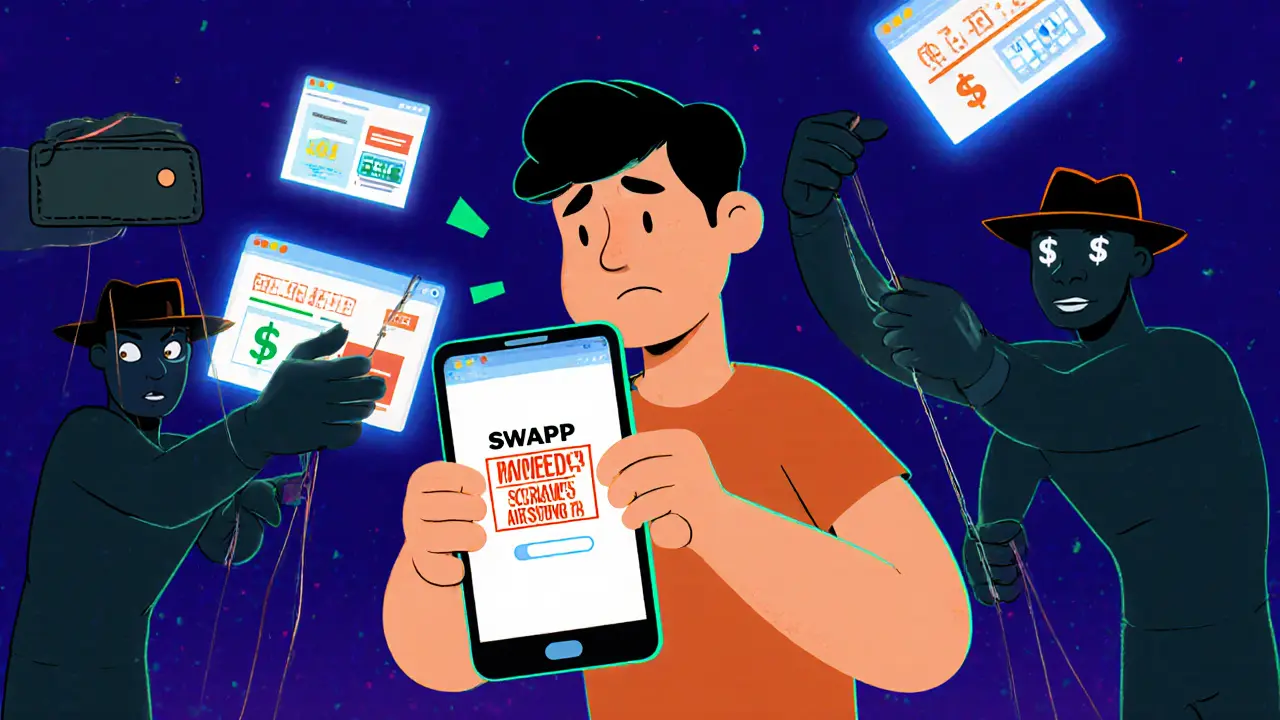
And then there are the scams. Fake airdrops pretending to be from CoinMarketCap or SafeMoon. They ask for your private key. They send you a link that drains your wallet. They copy real projects’ names and logos. You think you’re getting free crypto. You’re actually handing over everything. The airdrop scams, fraudulent campaigns designed to steal crypto by tricking users into connecting wallets or sharing sensitive data are everywhere. They’re loud, flashy, and always promising big returns. The real ones? Quiet. They don’t ask for your seed phrase. They don’t pressure you. They just list the rules and let you decide.
Some airdrops actually mattered. Aperture Finance gave APTR tokens to DeFi users who helped test their platform. MurAll handed out PAINT tokens to NFT artists who contributed to a living digital mural. Even KALA’s third round gave real users a shot at a token tied to a working exchange. These weren’t just giveaways—they were incentives for real participation. That’s the difference.
What you’ll find here isn’t hype. It’s the truth. We’ve dug into every airdrop we’ve covered—what worked, what failed, who got paid, and who got left with nothing. No fluff. No promises. Just facts from real cases. If you’re thinking about chasing the next free token, you need to know what’s real, what’s risky, and what’s pure fiction.
SWAPP Airdrop by SWAPP Protocol: What We Know So Far
As of November 2025, there is no legitimate SWAPP airdrop from SWAPP Protocol. All online claims are scams. Learn how to spot fake crypto airdrops and protect your wallet from phishing attacks.
Read More