
Imagine living in a country where using digital money is a crime punishable by arrest. That’s the reality for millions of Afghans since August 2022. The Taliban government issued a blanket prohibition on all cryptocurrency activities, declaring them haram (forbidden) under Islamic Sharia law. This decision didn’t just stop a trend; it crushed one of the fastest-growing adoption stories in history. In less than a year, Afghanistan went from being a global hotspot for digital asset usage to a place where owning Bitcoin could land you in jail.
Why did this happen? And more importantly, why hasn’t the ban actually stopped people from using crypto? If you’re curious about how religion, politics, and economic survival collide in one of the world’s most isolated nations, keep reading. We’ll break down the timeline, the religious reasoning, and the stubborn reality of underground markets that refuse to die.
The Rise and Fall of Afghan Crypto Adoption
To understand the shock of the ban, you have to look at what came before it. In 2021, while the rest of the world was debating whether crypto was an investment or a bubble, Afghans were adopting it out of pure necessity. After the Taliban returned to power, international sanctions froze billions in foreign reserves. Banks couldn’t function normally. People needed a way to move money, save value, and receive remittances from relatives abroad.
Enter Bitcoin and USDT. Despite having only about 8.6 million internet users out of a population of nearly 40 million, Afghanistan shot up the rankings. By mid-2021, it ranked 20th globally in the Chainalysis Global Crypto Adoption Index. It wasn’t about speculation for many; it was about survival. When the local currency lost stability and banks shut their doors, digital assets became the lifeline. Then, in August 2022, the tap was turned off completely.
Why the Taliban Banned Cryptocurrency
The official reason given by the Taliban leadership is religious. They argue that cryptocurrencies lack intrinsic value because they aren’t backed by physical assets like gold or silver. Under their strict interpretation of Sharia law, this makes them speculative gambling, which is forbidden. A senior Taliban spokesperson stated that the ban covers all forms of trading, mining, and usage.
But let’s be real: religion often intertwines with control. The Taliban government has struggled to establish a recognized central banking system. Allowing a decentralized currency like Bitcoin, which operates outside state control, threatens their authority over the economy. By banning it, they assert that only the state-approved fiat currency (the Afghani) is valid. It’s a move to consolidate financial power in a fragile political environment.
| Aspect | Detail |
|---|---|
| Date Implemented | August 2022 |
| Legal Status | Complete prohibition of trading, mining, and holding |
| Primary Justification | Religious grounds (Haram under Sharia) |
| Enforcement Method | Arrests, closure of exchanges, confiscation of devices |
| Current Reality | Active underground peer-to-peer market persists |
How the Ban Is Enforced
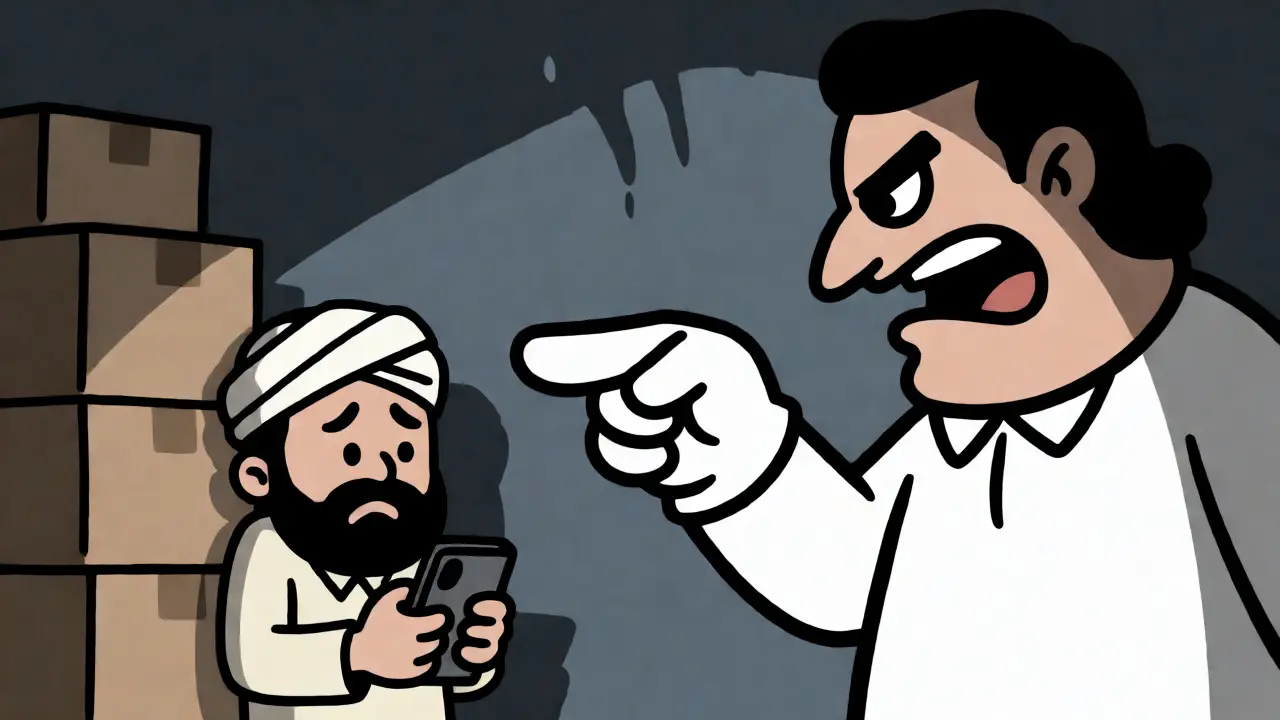
You might think a ban means everything stops. In Afghanistan, it means things go underground. The Taliban ordered all crypto exchanges to close immediately. Any business found facilitating trades faced fines or shutdowns. Authorities have conducted raids on traders’ homes and offices, seizing phones and computers used for transactions.
However, enforcement is inconsistent. The country lacks the technological infrastructure to monitor every digital transaction. With unreliable electricity and limited internet penetration, tracking peer-to-peer (P2P) trades is incredibly difficult. Most deals happen face-to-face or through private messaging apps like WhatsApp and Telegram. You send USDT to someone’s wallet, and they hand you cash. No exchange records it. This decentralized nature is exactly why the ban struggles to take full effect.
The Human Cost: Women and Financial Freedom
One of the most overlooked impacts of the ban affects women. Since the Taliban took over, women have faced severe restrictions on employment, education, and movement. Many lost their jobs and access to bank accounts. For these women, cryptocurrency wasn’t just tech-it was freedom.
Roya Mahboob, founder of the Digital Citizen Fund, highlights how Bitcoin offered a rare sense of autonomy. Without needing a male guardian’s permission or a physical ID card that might be rejected, women could store value digitally. The ban strips away this tool. Now, if a woman is caught holding crypto, she risks not just legal trouble but social stigma. It’s a stark example of how financial regulation intersects with human rights.
Afghanistan vs. The World
Globally, the trend is moving toward acceptance, not rejection. Countries like El Salvador made Bitcoin legal tender. Others are creating regulatory frameworks to tax and supervise it. Afghanistan stands as an outlier. According to data from Binance Research, only about nine countries still maintain outright bans on Bitcoin. Iraq, China, and Egypt are among them, but even there, informal markets thrive.
Compare this to Morocco, which lifted its ban in 2024 after realizing that prohibition didn’t stop usage-it just pushed it into the shadows without generating tax revenue. Afghanistan remains stuck in the prohibition era, isolating itself further from the global digital economy. Experts argue that this stance is unsustainable in the long run, especially as neighboring countries integrate more deeply with fintech solutions.

Why Underground Trading Persists
Despite the risk of arrest, Afghans continue to trade crypto. Why? Because the alternative is worse. The traditional banking system is broken. Remittance fees are high, and access is limited. During the height of the crisis in 2022, monthly crypto transaction volumes plummeted to just $80,000-a tiny fraction of previous levels-but they never hit zero.
Today, estimates suggest thousands of active P2P traders operate quietly. They use stablecoins like USDT to protect against inflation. The demand for financial tools that work when the state fails is too strong to ignore. As long as people need to send money home or preserve savings, the black market for crypto will survive.
What’s Next for Crypto in Afghanistan?
Will the ban ever be lifted? It’s hard to say. The Taliban’s priority right now is consolidating political power and managing humanitarian aid. Cryptocurrency isn’t a top diplomatic issue. However, pressure from the diaspora and the practical impossibility of total eradication might force a reevaluation. Some analysts predict a shift toward regulated tolerance rather than full legalization, similar to how some Middle Eastern nations handle forex trading.
For now, if you’re looking at Afghanistan, remember this: laws can prohibit technology, but they can’t delete code. The blockchain keeps running, regardless of who holds power in Kabul.
Is it illegal to own Bitcoin in Afghanistan?
Yes. Since August 2022, the Taliban government has banned all cryptocurrency activities, including buying, selling, mining, and holding digital assets. Violators can face arrest and confiscation of funds.
Why did the Taliban ban cryptocurrency?
The primary justification is religious. Taliban leaders declared cryptocurrency 'haram' (forbidden) under Sharia law, arguing it lacks real-world backing and involves excessive speculation, akin to gambling.
Can people still trade crypto in Afghanistan?
Yes, but unofficially. An underground peer-to-peer market exists where individuals trade via mobile apps and direct cash exchanges. Enforcement is inconsistent due to limited resources and the decentralized nature of the network.
Which other countries have banned Bitcoin?
Afghanistan joins a small group of roughly nine nations with outright bans, including Iraq, China, and Egypt. Most other countries have moved toward regulation or legalization.
How does the ban affect Afghan women?
Women, who face restricted access to banks and employment, previously used crypto for financial independence. The ban removes this option, exacerbating their economic vulnerability under Taliban rule.

8 Comments
Sonya Kirkwood
It is absolutely terrifying to consider that the Taliban isn't just banning technology, they are actively suppressing a decentralized ledger that threatens their centralized control over a failing economy.
Think about it: if people can transact without state permission, the state loses its primary lever of power. This isn't about Sharia law; this is about fear of irrelevance. They know that once Afghans realize money doesn't need a government stamp, the regime's authority crumbles.
The underground market proves them wrong, but the paranoia behind the ban suggests they are desperate to maintain an illusion of sovereignty.
Jess Emmerson
Hey everyone! Just wanted to add some context here because I think there's a misconception about why adoption was so high before the ban.
Afghanistan actually ranked surprisingly high in global crypto adoption indices around 2021, not because of speculation, but due to broken traditional banking infrastructure. With international sanctions freezing reserves and banks struggling to operate, digital assets became a lifeline for remittances.
When the Taliban took over, the immediate halt wasn't just ideological; it was also a practical attempt to force reliance on the physical Afghani currency, which they could control more easily than decentralized tokens.
It’s fascinating how necessity drives innovation even under strict prohibitions.
sri harni
Interesting read. In India we see similar issues with regulation vs reality. People always find a way.
John Lewis
I’d like to point out that while the religious justification is cited frequently, the economic implications are far more severe for the average citizen.
The removal of access to stablecoins like USDT effectively cuts off a major channel for preserving value against inflation. Without these tools, citizens are left vulnerable to currency devaluation.
Furthermore, the enforcement mechanisms described-raids and device confiscation-create a chilling effect that stifles not just trading, but broader financial literacy and technological engagement within the population.
Rachel Aldaco
Money is just a story we tell ourselves to feel safe. When you take away the story, people panic. It’s sad really. We cling to numbers when we have no meaning.
Duncan Fisher
That’s such a profound way to look at it, Rachel. You’re right, the psychological impact of losing a financial tool is often overlooked in favor of the legal arguments.
For many women specifically, as mentioned in the article, crypto represented a rare pocket of autonomy where they didn’t need male guardianship to manage their savings.
Losing that option isn’t just an economic setback; it’s a direct hit to personal dignity and independence in a society where those are already scarce resources.
Dominic Jones
The intersection of theology and economics here is complex... truly multifaceted, one might say.
While the Taliban cites 'haram' status, we must remember that Islamic finance has evolved significantly in other regions, accommodating modern instruments through structures like Sukuk or Takaful.
This rigid interpretation seems less about pure religious adherence and more about consolidating political power by eliminating parallel economies that operate outside state surveillance.
It raises the question: is the ban protecting faith, or is it protecting the fragility of the new administration?
Sheryl Nelsen Hutton
Having reviewed the historical precedents of monetary prohibition in various jurisdictions, it becomes evident that such measures rarely achieve their intended outcome of total eradication, instead fostering robust informal networks that operate beyond the purview of regulatory oversight.
The resilience of the peer-to-peer market in Afghanistan serves as a testament to the fundamental human drive for economic agency, particularly when formal institutional frameworks fail to provide adequate liquidity or stability.
Moreover, the gendered dimensions of this policy highlight a critical disparity in access to financial inclusion, wherein marginalized groups bear the disproportionate burden of restrictive monetary policies.
Ultimately, the persistence of underground trading underscores the limitations of coercive state power in regulating decentralized technologies that inherently resist centralized control.