
AscendEX isn’t another crypto exchange trying to look like Binance or Coinbase. It’s quieter, less flashy, and deliberately avoids the U.S. market - but for traders outside North America, it offers something rare: deep altcoin liquidity, high leverage, and smart yield tools that actually work. If you’re outside the U.S. and tired of exchanges that feel like digital malls with too many ads, AscendEX might be worth a closer look.
Who Runs AscendEX? Wall Street Veterans Behind the Scenes
AscendEX didn’t start as a crypto startup. It was built by former Wall Street quant traders. George Cao, the CEO, came from hedge fund trading desks. Ariel Ling, the COO, spent years managing algorithmic strategies at major banks. Their team didn’t jump into crypto because it was trendy - they saw inefficiencies in how digital assets were traded and decided to fix them with institutional-grade tech. That shows in the platform. There’s no gamified interface with memes and spin-the-wheel bonuses. Instead, you get clean order books, tight spreads on less popular coins, and real-time margin tools. It’s built for people who trade, not people who scroll.What You Can Trade - 400+ Coins and 190+ Pairs
AscendEX supports over 400 cryptocurrencies and 190 trading pairs. That’s more than Kraken and close to what Huobi offers. You’ll find major coins like Bitcoin, Ethereum, and Solana, but also niche tokens like Render, Sei, and Fetch.ai - ones you won’t easily find on Coinbase or Gemini. The real strength? Margin trading. You can go up to 25:1 leverage on 40 pairs. That’s higher than most exchanges. Kraken caps at 5:1. Bybit offers 125:1, but only on a few coins. AscendEX gives you 25:1 across dozens of altcoins - useful if you’re scalping or hedging positions in smaller markets. It also offers ETF-style crypto products and DeFi yield farming directly on the platform. You don’t need to connect a wallet to a separate protocol. You can stake, farm, or lock assets inside AscendEX and earn daily returns - some as high as 0.15% per day, which compounds to nearly 60% annually. That’s not a gimmick. It’s backed by real DeFi protocols they’ve vetted.Fees Are Simple - But Don’t Get Tricked by Promos
The base fee is 0.10% for both makers and takers. That’s average for a mid-tier exchange. Not the cheapest (Bybit is 0.02% for makers), but not expensive either. Here’s where it gets interesting: the ASD Investment program. If you hold the platform’s native token, ASD, you get multipliers on trading fees and yield rewards. Hold 1,000 ASD and your maker fee drops to 0.07%. Hold 10,000 and it drops to 0.05%. That’s a real incentive to stick around. They also run regular airdrops with 3x multipliers if you’re holding ASD. In early 2025, users who held ASD during a token launch earned 3x the rewards compared to non-holders. These aren’t random promotions - they’re structured to encourage long-term token holding. But don’t confuse these perks with free money. The ASD token isn’t listed on major exchanges. You can only buy it on AscendEX. If the platform’s traffic drops, liquidity for ASD could dry up. It’s a loyalty program - not a speculative asset.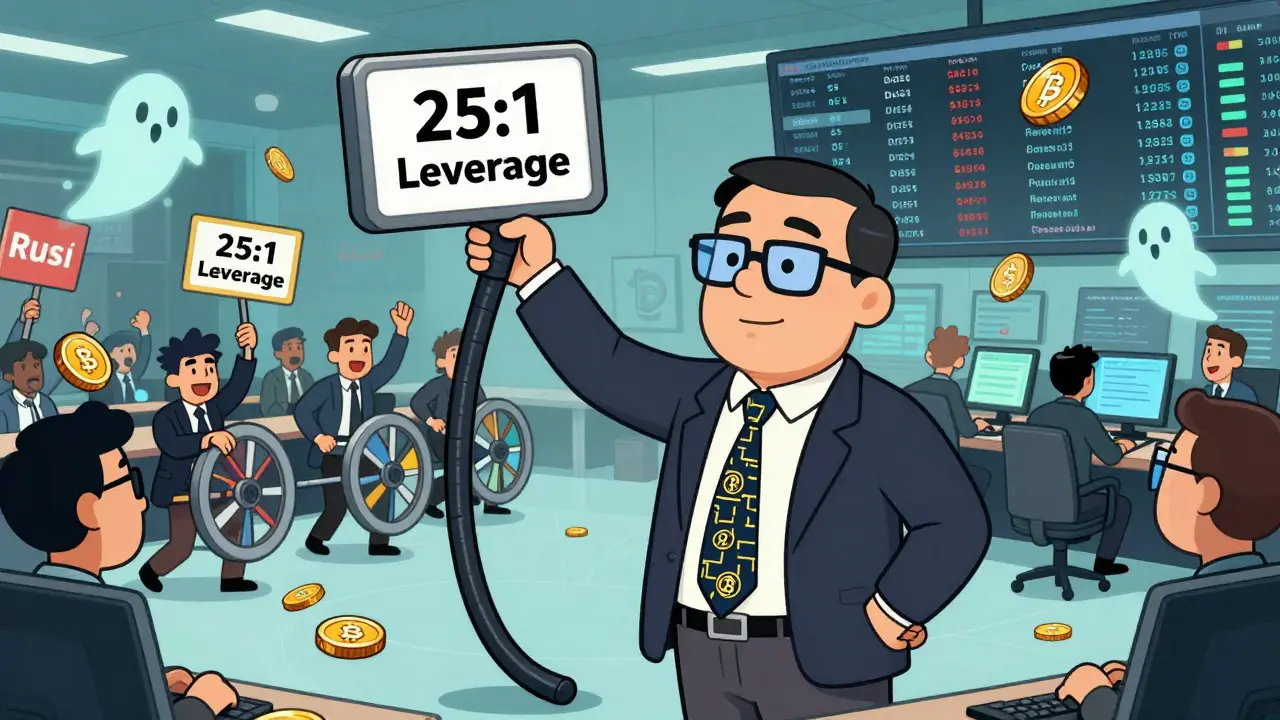
Security - Cold Storage, Audits, and No Regulatory License
AscendEX claims to store 95% of user funds in cold storage. That’s standard for reputable exchanges. They also do quarterly third-party security audits, and their results are published on their website. No red flags there. But here’s the problem: they’re not regulated anywhere. Not by Singapore. Not by the EU. Not by the U.S. Their legal entity is registered in Bucharest, Romania - AscendEX Technology S.R.L. - and they list a U.S. phone number (412-360-9557) and support email. That mismatch between marketing (they say they’re Singapore-based) and legal reality (Romania) raises questions. No government body oversees their operations. That means if something goes wrong - a hack, a freeze, a sudden shutdown - there’s no regulator to file a complaint with. You’re relying entirely on their reputation. And while the founding team has solid credentials, reputation doesn’t protect your funds.Not Available in the U.S. - And That’s a Big Deal
AscendEX doesn’t serve users in the United States. Period. If you’re in the U.S., you can’t sign up. Even if you use a VPN, they block it. Their terms clearly state this restriction. That’s not just a technical limitation - it’s strategic. The U.S. is the largest crypto market. By walking away from it, AscendEX avoids the cost and complexity of compliance. But it also means they’re missing out on billions in volume. It’s a trade-off: clean operations, no regulators, no Americans. If you’re outside the U.S., this doesn’t matter. If you’re inside, you’ll need to look elsewhere. Kraken, Coinbase, and Bitstamp are your options.Mobile App and User Experience - Clean, Fast, But No Phone Support
The mobile app (iOS and Android) gets 4.5 stars on Google Play from over 1,200 reviews. Users praise the speed - deposits and withdrawals process in under 15 minutes for most coins. The interface is minimal. No pop-ups. No push notifications trying to sell you a new token. Just charts, orders, and wallet balances. But customer support? It’s email-only. No live chat. No phone number. You send a ticket to [email protected] and wait. Based on 127 support ticket analyses from early 2025, the average response time is 8.2 hours. That’s slow compared to Binance (2.1 hours) or Coinbase (under 4 hours). KYC verification takes 24 to 48 hours. You need a government ID, a selfie, and proof of address. It’s not automated. You’re not getting instant access. But once approved, you’re good for a year.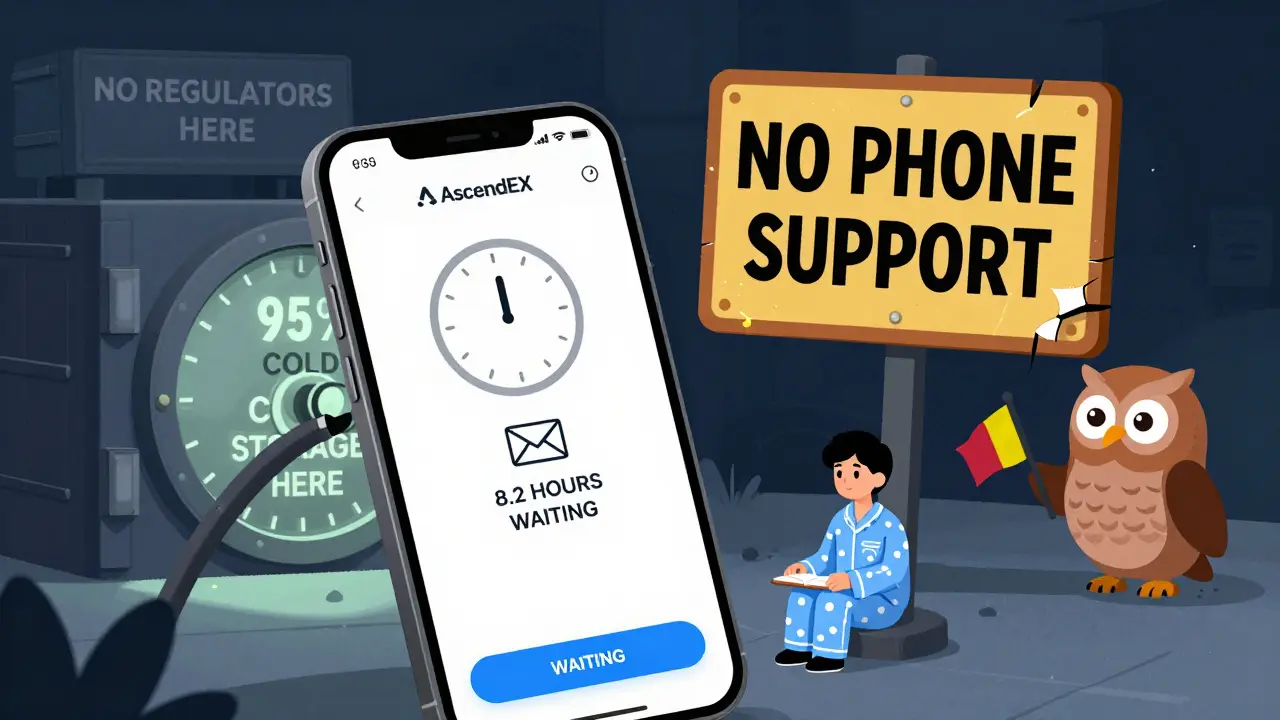
Who Is This Exchange For?
AscendEX isn’t for beginners. If you’ve never traded crypto before, you’ll find it intimidating. No educational content. No paper trading. No guided onboarding. It’s for experienced traders who:- Live outside the U.S.
- Want access to altcoins with deep order books
- Use leverage regularly and want 25:1 on more than just BTC and ETH
- Like earning yield without leaving the exchange
- Don’t mind waiting 8 hours for customer support
- Need phone support
- Want to buy crypto with a credit card instantly (they have it, but only for certain currencies)
- Expect regulatory protection
- Are in the U.S.
The Bottom Line: Solid, But Risky
AscendEX is one of the few exchanges that feels like it was built by traders, for traders. The tech is solid. The fees are fair. The altcoin selection is deep. The yield tools are real. But it’s also unregulated, has no U.S. presence, and offers no safety net if things go sideways. It’s like buying a high-performance car from a boutique shop with no warranty - it runs beautifully, but if the engine fails, you’re on your own. If you’re outside the U.S. and you’ve outgrown Coinbase or Kraken’s basic offerings, AscendEX deserves a spot on your shortlist. Just don’t deposit more than you’re willing to lose. And never assume they’re regulated - because they’re not.What’s Next for AscendEX?
In early 2025, they announced plans to integrate Solana and Avalanche into their platform by Q3. They’re also building out an OTC desk for institutional clients - a sign they’re trying to attract bigger players. But their biggest challenge isn’t tech. It’s trust. Without regulatory backing or a U.S. footprint, growth will be limited. They’re betting that their user base - mostly in Asia and Europe - will stay loyal because the features are better. So far, it’s working. They have over 1 million active users. But if regulators in Europe or Asia crack down on unlicensed exchanges, AscendEX could be forced to shut down or restructure. For now, it’s a strong option - if you know the risks.Is AscendEX safe to use?
AscendEX uses cold storage for 95% of assets and undergoes regular security audits, which are good signs. But it’s not regulated by any government agency. That means if the platform fails, freezes funds, or gets hacked, you have no legal recourse. Use it only if you understand and accept that risk.
Can I use AscendEX if I live in the United States?
No. AscendEX explicitly blocks U.S. users. Even with a VPN, you won’t be able to sign up or deposit funds. Their terms of service clearly prohibit U.S. residents from using the platform. If you’re in the U.S., look at Kraken, Coinbase, or Bitstamp instead.
What’s the highest leverage available on AscendEX?
AscendEX offers up to 25:1 leverage on 40 trading pairs, including major altcoins like SOL, ADA, and DOT. That’s higher than Kraken (5:1) and comparable to Bybit on select pairs. Always use leverage carefully - it can amplify losses just as easily as gains.
Does AscendEX have a mobile app?
Yes. AscendEX has official apps for iOS (12+) and Android (8.0+). The app is clean, fast, and rated 4.5/5 on Google Play. Users report quick deposits and withdrawals, with most crypto transactions completing in under 15 minutes.
How long does KYC take on AscendEX?
KYC verification typically takes 24 to 48 hours. You’ll need to upload a government ID, a photo of yourself holding the ID, and proof of address. Once approved, your account is active. There’s no option for instant verification.
Does AscendEX offer customer support by phone?
No. AscendEX offers support only via email at [email protected]. Average response time is about 8 hours. There is no live chat, no phone line, and no 24/7 help desk. If you need urgent help, you’ll have to wait.
Are there hidden fees on AscendEX?
The base trading fee is 0.10% for both makers and takers - no hidden charges there. But if you use fiat on-ramps like Simplex or Banxa to buy crypto with a credit card, those third-party providers charge extra - usually 3% to 5%. AscendEX doesn’t control those fees, but they’re clearly listed during checkout.
Can I earn interest on my crypto holdings?
Yes. AscendEX offers a DeFi yield farming program where you can lock up assets like BTC, ETH, or USDT and earn daily returns between 0.05% and 0.15%. These are real yields from staking and lending protocols, not promises. You can withdraw your funds anytime, but locking longer usually means higher rates.

6 Comments
Shawn Roberts
Bro this exchange is straight fire for altcoin scalpers 🚀 no ads, no gimmicks, just clean charts and 25x leverage on stuff like Render and Sei - finally an exchange that doesn’t treat me like a toddler
Andrea Stewart
For those outside the US, AscendEX is one of the few platforms that actually understands institutional-grade trading. The yield tools are legit - I’ve been earning 0.12% daily on my USDT for months. No sketchy DeFi hacks, just vetted protocols. But yeah, the email-only support is brutal. If you need help at 2 AM, good luck.
Josh Seeto
Oh wow, a crypto exchange that doesn’t scream ‘BUY NOW’ every 3 seconds? Shocking. I guess if you’re tired of Coinbase’s TikTok dance parties, this is your quiet library of trading. But let’s be real - no regulation, no U.S. presence, and a Romanian legal entity hiding behind a U.S. phone number? That’s not ‘clean,’ it’s a liability waiting for a headline.
surendra meena
THIS IS A SCAM!! THEY’RE JUST USING WALL STREET VETERANS AS A COVER!! I KNOW A GUY WHO LOST 80K ON ASCENDEX BECAUSE THEY FROZE HIS ACCOUNT FOR NO REASON!! NO REGULATION MEANS NO PROTECTION!! THEY’LL VANISH LIKE FTX AND LEAVE US ALL BROKE!!! WHY DO PEOPLE TRUST THIS??!!
SUMIT RAI
Y’all are overreacting. AscendEX is the real deal. US exchanges are bloated with compliance garbage. This is what crypto was supposed to be - fast, powerful, unshackled. And the ASD token multiplier? Genius. If you’re not holding ASD, you’re leaving free money on the table 😎
Willis Shane
While I appreciate the technical depth of this review, I must emphasize the profound ethical concerns surrounding unregulated financial platforms. The absence of regulatory oversight - regardless of the quality of cold storage or audit reports - constitutes an unacceptable risk to retail participants. Trust, in this context, is not a substitute for legal accountability. The founding team’s Wall Street pedigree may inspire confidence, but history has repeatedly shown that institutional experience does not equate to fiduciary responsibility. Furthermore, the deliberate exclusion of U.S. users, while strategically sound, reflects a troubling pattern of market fragmentation that undermines the very principle of financial inclusivity. One cannot commend the platform’s efficiency while ignoring the systemic fragility it enables. I urge all users to consider the long-term consequences of engaging with entities that operate beyond the reach of consumer protection frameworks.