
Can you legally hold Bitcoin or other digital assets in Argentina without going to jail? The short answer is yes. But the longer answer involves a complex web of new regulations, strict reporting duties, and tax implications that caught many investors off guard between 2024 and 2025. If you are an Argentine resident or a foreigner doing business there, understanding the current legal landscape isn't just about avoiding fines; it's about protecting your capital from regulatory blind spots.
As of late 2025 and heading into 2026, cryptocurrency is fully legal to own, trade, and use for private contracts. However, it is not official legal tender. Only the Central Bank of the Republic of Argentina (BCRA) can issue currency that must be accepted by law. This distinction matters because while you can buy coffee with Bitcoin if the seller agrees, they aren't legally forced to accept it. The government has moved away from the "gray area" era, replacing uncertainty with a structured framework designed to integrate crypto into the formal economy while maintaining tight control over foreign reserves.
The New Regulatory Framework: Law 27,739 and CNV Oversight
The biggest shift in recent years came with Law 27,739, enacted in March 2024. This legislation transformed the National Securities Commission (CNV) into the primary regulator for Virtual Asset Service Providers (VASPs). Before this, exchanges operated in a loose environment. Now, if you want to provide crypto services-whether as a local startup or a global giant like Coinbase-you must register with the CNV.
This isn't just bureaucratic red tape. The law mandates strict Anti-Money Laundering (AML) and Counter-Financing of Terrorism (CFT) compliance. The Financial Intelligence Unit (UIF) also got involved, designating VASPs as reporting entities. If you are using a registered exchange, expect rigorous KYC (Know Your Customer) checks. The goal is transparency. The state wants to see who is buying, selling, and holding digital assets to prevent illicit flows and better understand market dynamics.
| Entity Type | Registration Deadline | Regulatory Body |
|---|---|---|
| Individuals/Sole Proprietors | July 1, 2025 | CNV |
| Argentine Legal Entities | August 1, 2025 | CNV |
| Foreign Legal Entities | September 1, 2025 | CNV |
If you run a small crypto business or work as a freelancer accepting payments in stablecoins, you likely fell under the individual or small entity category. Missing these deadlines could have resulted in operational bans. Today, over 100 VASPs have registered, signaling that the market has largely adapted to the new rules.
Tax Obligations: How Crypto Impacts Your Wallet
Holding crypto is free. Selling it for a profit is where the taxman steps in. Under the current fiscal regime, profits from digital asset sales are subject to income tax. This applies whether you traded on a local platform or an international one. The Argentine Federal Administration of Public Revenues (AFIP) treats crypto gains similarly to other financial investments.
There is also the "Blanqueo" or whitening program context. Many Argentines used this window to declare previously undisclosed assets, including crypto holdings, at reduced penalty rates. If you didn't participate and still hold significant unreported assets, you face higher risks during audits. Furthermore, cross-border transactions involving crypto now attract taxes ranging from 5% to 15%. This was implemented to curb capital flight and manage economic volatility, especially given Argentina's high inflation history.
For individuals, the key takeaway is record-keeping. You need to track every transaction date, amount, and fiat equivalent value at the time of trade. AFIP uses data shared by registered VASPs to cross-reference your declared income against your trading activity. Discrepancies trigger investigations.
Banking Restrictions vs. Personal Freedom
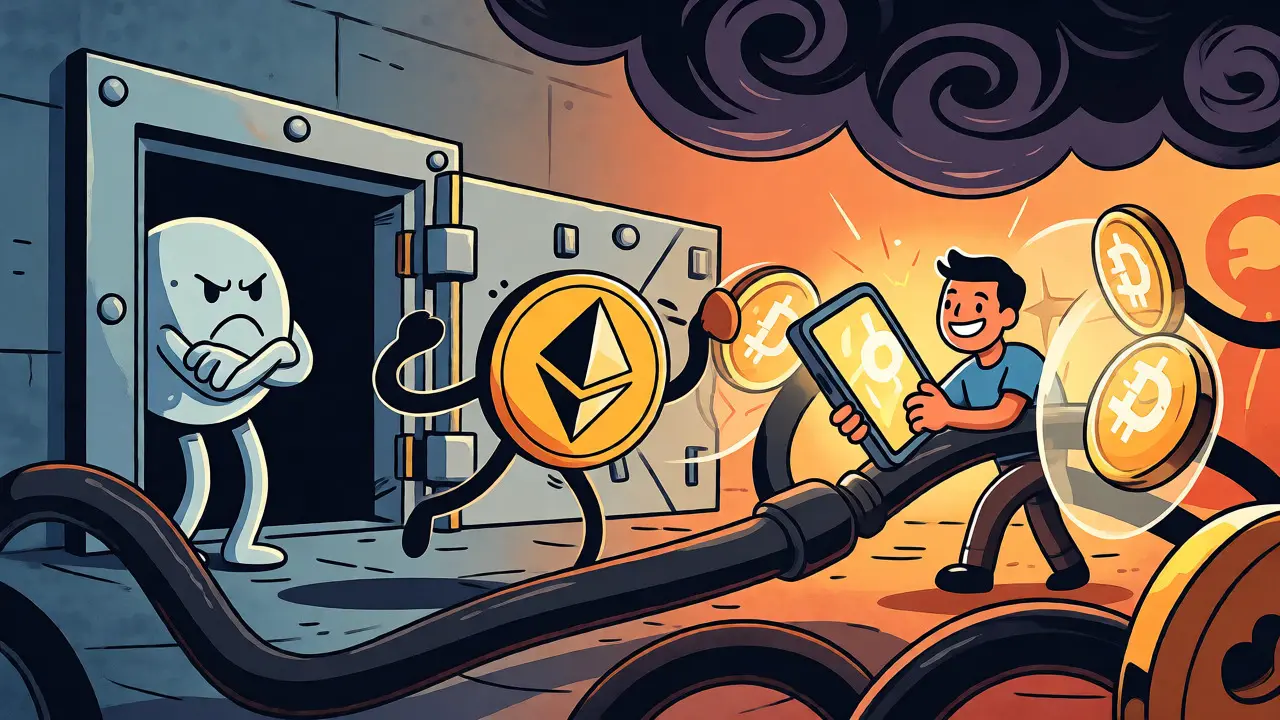
Here is the paradox of the Argentine crypto scene: individuals love it, but banks hate it. In May 2023, the BCRA banned traditional banks from offering direct crypto services. Why? To protect foreign currency reserves. Banks were worried that easy access to crypto would accelerate the dollarization of the economy and drain their USD liquidity.
So, can you buy Bitcoin with a bank transfer? Yes, but indirectly. You transfer pesos to a registered VASP via bank wire, and the VASP executes the trade. You cannot walk into a Banco Nación branch and ask them to swap your pesos for Ethereum directly. This separation creates friction. It forces users to rely on fintechs and specialized crypto platforms rather than traditional banking infrastructure.
Despite this hurdle, adoption remains staggering. Approximately 30% of Argentinians own some form of digital asset. Stablecoins, particularly USDT and USDC, dominate this space, accounting for nearly 68% of all transactions. People use them as a hedge against the peso's depreciation. With inflation hovering around 80% in recent years, holding dollars digitally feels safer than holding cash pesos.

Legal Tender Status and Private Contracts
A common misconception is that Bitcoin is illegal tender in Argentina. It’s not illegal; it’s just not mandatory tender. Article 75, Section 11 of the National Constitution gives the exclusive right to issue legal tender to the Central Bank. Therefore, no merchant is legally compelled to accept Bitcoin.
However, Decree 70/2023 clarified that private contracts settled in crypto are valid. If you sign a rental agreement stating rent will be paid in USDT, that contract is enforceable in court. This legal certainty encourages businesses to accept digital payments voluntarily. President Javier Milei’s administration has fostered a pro-crypto environment, viewing digital assets as tools for financial inclusion and innovation rather than threats to sovereignty.
Risks and Penalties for Non-Compliance
Ignoring the rules carries real consequences. For VASPs, failing to register or comply with AML standards can lead to fines up to 10 million Argentine pesos (roughly $10,000 USD depending on exchange rates) and potential criminal liability for repeated offenses. The UIF has broad powers to freeze assets and refer cases to judicial authorities.
For individuals, the risk is less about criminal charges and more about financial complications. Unreported crypto wealth discovered during a tax audit can result in heavy penalties and back taxes. Additionally, using non-compliant offshore exchanges might complicate repatriating funds, as banks scrutinize transfers from unregistered sources more closely.
Future Outlook: DeFi and Regulatory Sandboxes
The regulatory story isn't finished. By Q2 2026, the Ministry of Economy plans to release specific guidelines for Decentralized Finance (DeFi) platforms. Currently, DeFi operates in a gray zone regarding VASP classification. Will lending protocols need to register? How will yield farming profits be taxed?
The CNV is also launching a regulatory sandbox in March 2026. This initiative allows innovative projects to test products under temporary regulatory relief. It’s a smart move to balance innovation with oversight, ensuring Argentina doesn’t stifle the tech sector while trying to keep the financial system stable. International bodies like the IMF have praised this phased approach, calling it a model for emerging economies.
Frequently Asked Questions
Is it legal to hold cryptocurrency in Argentina?
Yes, holding cryptocurrency is completely legal for individuals and businesses. While not recognized as official legal tender, owning digital assets like Bitcoin or Ethereum does not violate any laws. The government regulates exchanges and service providers, not the act of holding itself.
Do I have to pay taxes on my crypto holdings in Argentina?
You generally do not pay tax just for holding crypto. However, profits made from selling or trading digital assets are subject to income tax. Additionally, cross-border transactions may incur taxes between 5% and 15%. You must declare your holdings if they exceed certain thresholds during annual tax filings.
Can I use Bitcoin to pay for goods and services?
Yes, but only if the merchant agrees to accept it. Since Bitcoin is not legal tender, merchants are not obligated to accept it. However, private contracts allowing payment in crypto are legally valid and enforceable under Decree 70/2023.
Are banks allowed to offer crypto services in Argentina?
No, traditional banks are prohibited from offering direct crypto custody or trading services due to BCRA regulations aimed at protecting foreign reserves. Users must interact with registered Virtual Asset Service Providers (VASPs) instead.
What happens if I don't report my crypto assets?
Failure to report significant crypto assets can lead to penalties during tax audits, including back taxes and fines. The AFIP receives data from registered exchanges, making it difficult to hide large trading volumes or holdings.
