
Imagine waking up in a country where the dollar is official currency, but so is Bitcoin. That was reality for El Salvador from September 2021 until January 2025. President Nayib Bukele bet big on digital gold, hoping to bank the unbanked and cut remittance fees. But did it work? The short answer is complicated. While merchants warmed up to the idea, everyday people mostly stuck to cash. Now, with legal tender status gone, what’s left of this bold experiment?
The Big Bet: Why Go All-In on Bitcoin?
El Salvador isn’t just any small nation. It has 6.3 million people, many of whom live without traditional bank accounts. In fact, about 70% of the population lacked access to formal banking services before 2021. Remittances-money sent home by relatives working abroad, mostly in the US-make up a huge chunk of the GDP. Traditional wire transfers eat up significant fees. Bukele saw Bitcoin as a tool to bypass banks and reduce these costs.
The strategy wasn’t just about tech; it was about sovereignty. Since adopting the US dollar in 2001, El Salvador lost control over its monetary policy. By adding Bitcoin, the government hoped to diversify reserves and attract foreign investment. They launched the Chivo Wallet, a state-sponsored app allowing users to buy, sell, and spend Bitcoin instantly converted to USD. For new users, the government even gave a $30 bonus. Sounds great on paper, right?
Reality Check: Adoption vs. Usage
Here is where things get tricky. By 2025, surveys showed that 82% of small businesses accepted Bitcoin payments. That’s a massive number for merchant readiness. But acceptance doesn’t equal usage. Actual transactions remained low. Only about 1% of remittances flowed through the Chivo Wallet or Lightning Network. Most people preferred cash dollars because they were stable and universally understood.
Why the gap? Volatility scared consumers. Imagine buying groceries with Bitcoin, only to see your balance drop 10% while you’re still at the checkout line. Merchants had to convert Bitcoin to USD immediately to avoid losses, which defeated the purpose of holding the asset. Plus, internet connectivity issues in rural areas made digital wallets frustrating for some users. Despite infrastructure improvements, habit and trust remained with physical cash.
The IMF Pressure Cooker
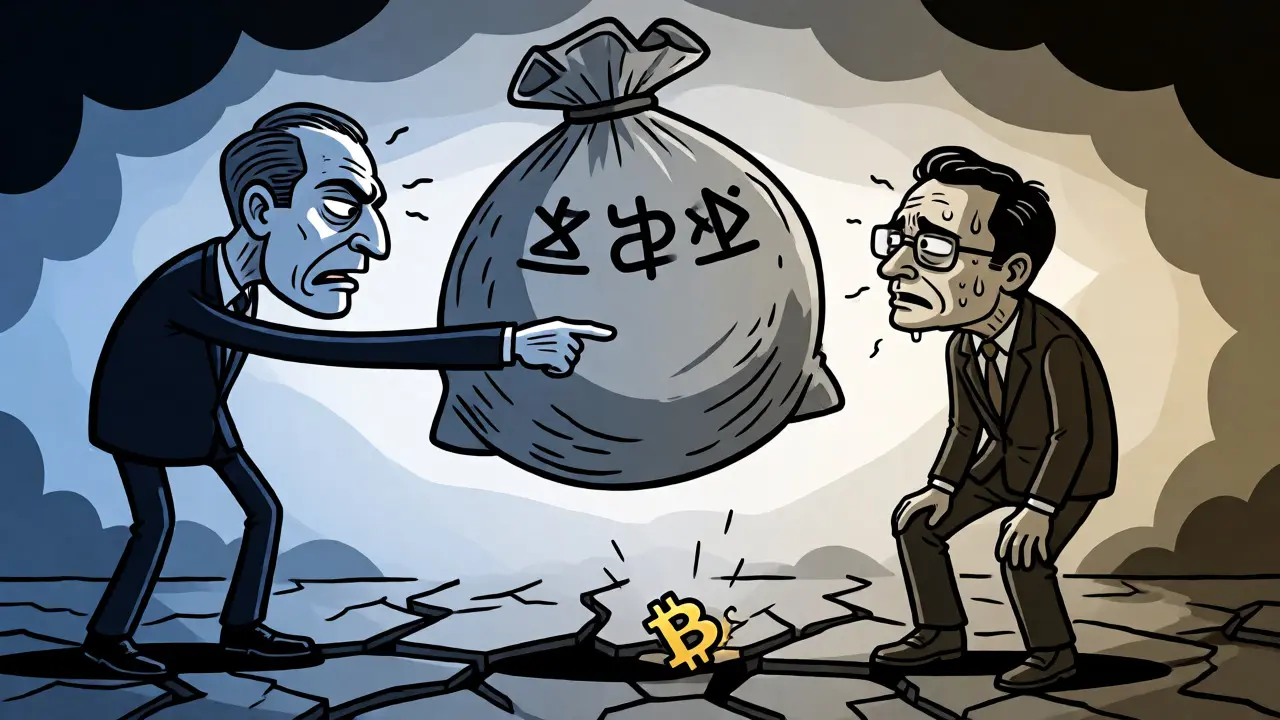
You can’t ignore the elephant in the room: the International Monetary Fund (IMF). When El Salvador announced its Bitcoin law, global financial institutions raised eyebrows. The IMF warned about risks to financial stability and consumer protection. This tension came to a head during negotiations for a $1.4 billion loan package. The IMF made it clear: if El Salvador wanted favorable terms, Bitcoin couldn’t remain mandatory legal tender.
In January 2025, the government blinked. They abolished the requirement for private businesses to accept Bitcoin. It became optional again. This shift marked a retreat from the radical vision of a fully integrated crypto economy. However, it didn’t mean abandoning Bitcoin entirely. Instead, the focus shifted from daily transactional use to strategic reserve accumulation.
Strategic Reserves and Volcano Bonds
Even after dropping legal tender status, El Salvador kept buying Bitcoin. As of March 2025, the Strategic Bitcoin Reserve Fund held 6,102 coins, worth roughly $500 million. The government continued making purchases, including an additional 8 BTC in early 2025, showing long-term conviction despite political pressure.
What about those famous "Volcano Bonds"? These were planned debt instruments backed by Bitcoin proceeds, intended to fund mining operations and infrastructure. While initially hyped, their rollout faced delays due to market conditions and regulatory hurdles. Still, the concept remains part of El Salvador’s broader vision to become a hub for blockchain technology and energy-efficient mining, leveraging geothermal energy from volcanoes.

Lessons Learned and Future Outlook
So, was it a failure? The Economist called it one in March 2025, citing high costs and low benefits. Other experts argue it was a necessary stress test. El Salvador proved that national-level cryptocurrency adoption is possible but extremely difficult to sustain under current global financial norms.
The legacy isn’t total loss. Infrastructure like the Lightning Network exists. Merchant familiarity with crypto payments grew. And importantly, El Salvador positioned itself as a leader in digital finance innovation. Today, the country hosts events like PLANB Forum 2025, attracting crypto enthusiasts worldwide. The goal now is hybrid: encourage private sector innovation and tourism around Bitcoin, without forcing citizens to adopt it for daily life.
| Phase | Status | Key Action | Outcome |
|---|---|---|---|
| 2021-2024 | Legal Tender | Mandatory acceptance; Chivo Wallet launch | High merchant acceptance, low user adoption |
| Jan 2025 | Optional Use | Law amended per IMF deal | Reduced compliance burden for businesses |
| Present | Reserve Asset | Continued BTC accumulation | 6,102 BTC held; focus on investment not spending |
What This Means for Other Countries
El Salvador’s journey offers a blueprint-and a warning-for other nations considering similar moves. Central Bank Digital Currencies (CBDCs) are gaining traction globally as safer alternatives. Countries like Nigeria and China launched digital currencies earlier, though with mixed results. El Salvador’s experience shows that political will alone can’t overcome economic inertia and institutional resistance.
If you’re watching from the sidelines, note this: flexibility matters. Rigid mandates often fail when user behavior doesn’t align with policy goals. Successful adoption requires solving real pain points, like expensive remittances, rather than chasing ideological purity.
Is Bitcoin still legal tender in El Salvador?
No. As of January 2025, El Salvador removed Bitcoin's mandatory legal tender status to comply with conditions set by the International Monetary Fund (IMF). Businesses can now choose whether to accept it, but they are no longer required to do so.
How much Bitcoin does El Salvador hold?
By March 2025, El Salvador's Strategic Bitcoin Reserve Fund held approximately 6,102 Bitcoin. The government continues to make occasional purchases, viewing it as a long-term store of value rather than a daily currency.
Did the Chivo Wallet work?
Technically, yes, but practically, adoption was limited. While millions downloaded the app, actual usage for daily transactions remained low. Many users claimed the $30 bonus and then stopped using it. It served more as an educational tool than a primary payment method.
Why did the IMF oppose Bitcoin legal tender?
The IMF cited concerns about financial stability, consumer protection, and volatility. They argued that forcing private entities to accept a volatile asset created unnecessary risk for the economy and hindered potential lending agreements.
Are Volcano Bonds still relevant?
The original Volcano Bond plan faced delays and restructuring. While the concept of funding infrastructure through crypto-related revenue remains part of the long-term vision, immediate issuance has slowed due to market conditions and regulatory adjustments.
