
Imagine paying $50 for a token that doesn’t just get you a merch hoodie-but also lets you vote on your favorite musician’s next album cover, join a private Discord where they drop unreleased tracks, and cash out later when the token’s value doubles because the artist blew up. That’s not science fiction. It’s happening right now with social tokens.
These aren’t your grandma’s fan clubs. Social tokens are blockchain-based digital assets issued directly by creators-musicians, artists, podcasters, YouTubers, even niche hobbyists-to turn followers into stakeholders. Unlike Patreon subscriptions or YouTube ad revenue, where platforms take 30% or more, social tokens let creators keep nearly all the value they create. And the people who support them? They don’t just cheer-they invest.
What Makes Social Tokens Different From NFTs or Crypto
People mix up social tokens and NFTs all the time. But here’s the simple breakdown: NFTs are unique, one-of-a-kind digital items-like a signed digital artwork or a rare virtual sneaker. Social tokens are fungible, meaning each one is identical to the next, like shares in a company. You can buy 100 of them. Sell 20. Trade them. They’re built to be held, used, and moved around.
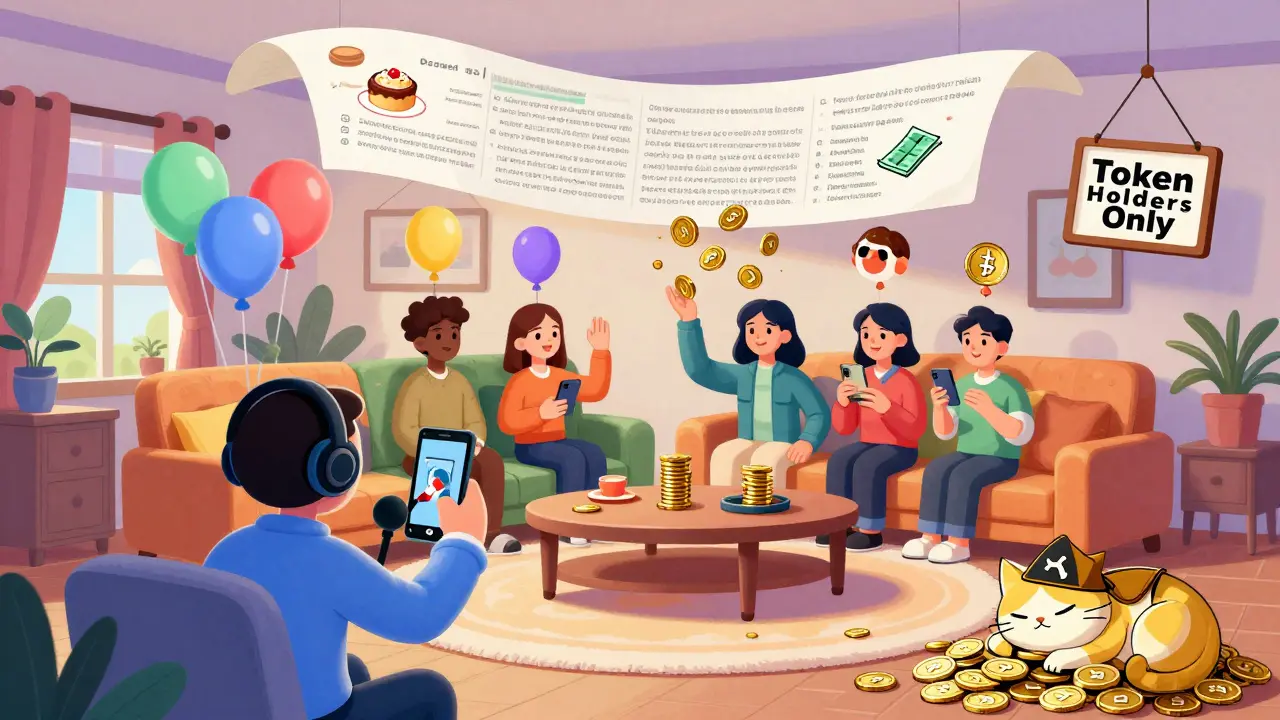
They live on blockchains like Ethereum, Polygon, and Solana. These networks let creators write smart contracts that automatically give holders perks-no middleman needed. If you own a creator’s token, your wallet proves it. The smart contract checks your balance and unlocks access to a members-only livestream, a discount on merch, or even a seat at a virtual town hall where fans decide the next single.
That’s the core shift: from passive consumption to active participation. You’re not just buying content-you’re buying into the creator’s future.
How Social Tokens Create Real Value
Value doesn’t come from hype alone. It comes from utility. And the best social tokens offer multiple layers of it.
- Access: Private Discord channels, early ticket sales, behind-the-scenes content. Some creators even give token holders first dibs on merch drops or limited-edition vinyl.
- Governance: Holders vote on creative decisions. Should the artist collaborate with another musician? Should the podcast launch a spin-off? Token weight decides.
- Financial upside: If the creator grows, the token price often rises. Early supporters who bought in at $0.10 might sell later at $2.00-not because they’re speculating blindly, but because the community’s engagement drove demand.
- Royalties: Some tokens are programmed to give holders a cut of future sales. Every time the creator sells a digital album or NFT, 5% goes back to token holders automatically.
Take musician 3LAU. He launched a social token called $LIVE in 2021. Holders got access to exclusive music, voting rights on tour locations, and a share of his NFT sales. Within a year, his token’s market cap hit over $20 million. Fans didn’t just listen-they owned a piece of the success.
Who Can Issue a Social Token? (Spoiler: It’s Not Just Celebrities)
You don’t need a million followers. You don’t need a record label. You just need a community that cares.
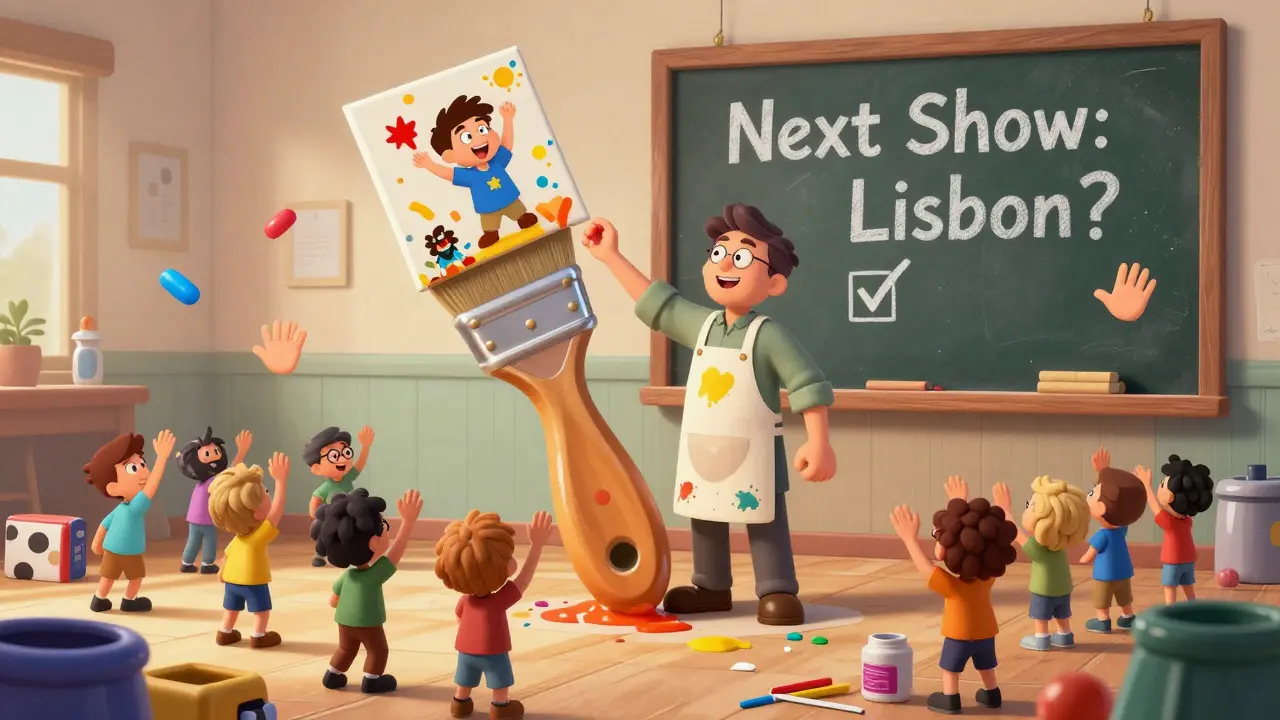
There are now thousands of social tokens issued by people with under 10,000 followers. A local painter in Lisbon launched one to fund her next gallery show. A podcast host in Toronto used tokens to let listeners pick guest topics. A group of indie game devs raised $150,000 in token sales to fund their next title, with backers getting early beta access and naming rights for characters.
This is the democratization of the creator economy. Before, only the top 1% could monetize directly. Now, anyone with a loyal audience can build a financial engine around their work. The barrier isn’t fame-it’s consistency. If you show up, engage, and deliver value, your community will follow.
The Downside: Risks and Realities
It’s not all upside. Social tokens carry real risks.
First, if the creator disappears or stops posting, the token can crash. There’s no guarantee of value. It’s tied to activity, not just hype.
Second, users need to understand wallets, private keys, and gas fees. If someone loses their key, they lose everything. No customer service can recover it.
Third, the market is still young. Some tokens are pure speculation-no real utility, just FOMO. That’s dangerous. The best tokens solve a problem: “What do I get for holding this?” If the answer is “nothing,” it won’t last.
Creators who succeed don’t just launch a token. They build a system. They explain the benefits clearly. They deliver consistently. They treat token holders like partners, not customers.
How to Get Started (If You’re a Creator)
If you’re thinking about launching your own social token, here’s how to do it right:
- Start small. Don’t try to build a DeFi protocol on day one. Offer one real perk-like a private newsletter or early access to your next project.
- Use a simple platform. Tools like Rally, Guild, or Circle let you launch tokens without coding. They handle the blockchain side so you can focus on your audience.
- Launch with a plan. How many tokens will you mint? What’s the price? What perks do holders get at different levels? Write it down.
- Communicate constantly. Send updates. Share voting results. Show how token sales helped fund a new project. Transparency builds trust.
- Don’t promise returns. Say “you might benefit if the community grows,” not “you’ll make money.” Avoid legal trouble and keep it real.
How to Buy and Hold (If You’re a Fan)
Want to get involved? Here’s how:
- Find a creator you already follow and love. Don’t chase trending tokens.
- Check their website or social media for a token launch announcement. They’ll link to a platform like Rally or Guild.
- Set up a crypto wallet (MetaMask or Phantom work well). Fund it with ETH, SOL, or MATIC.
- Buy the token during the launch window. Most creators offer early-bird discounts.
- Join the community. Engage. Vote. Ask questions. The more you participate, the more value you unlock.
Remember: You’re not investing in a stock. You’re investing in a relationship.
The Bigger Picture: Social Tokens and the Future of Work
This isn’t just about music or art. It’s about how we value work in the digital age.
For decades, platforms like YouTube, Instagram, and TikTok captured most of the value created by content. Creators got crumbs. Social tokens flip that. They let creators capture the full value of their influence-and share it with the people who made it possible.
Soon, we’ll see social tokens tied to coaches, therapists, teachers, and even local businesses. A yoga instructor might issue tokens that give holders discounted classes, access to weekly meditations, and a say in new program themes. A small bakery could let customers buy tokens redeemable for free pastries-and earn a share of future profits.
The model works because it aligns incentives. When your success is my success, we both show up. We both try harder. We both win.
Final Thought: It’s Not About the Token. It’s About the Trust.
Blockchain tech makes social tokens possible. But what keeps them alive is human connection.
The most valuable social tokens aren’t the ones with the biggest market cap. They’re the ones where the creator still replies to DMs, where fans feel heard, where the community feels like home.
Technology doesn’t build loyalty. People do.
If you’re a creator-build with heart. If you’re a fan-support with intention. The token is just the key. The real value is what’s behind the door.

8 Comments
Jessica Boling
So let me get this straight I pay 50 bucks to vote on an album cover and get a Discord invite that probably has 3 people in it including the artist’s cat and then I’m supposed to feel like a stakeholder? Bro I bought a hoodie last year and got a thank you note from the merch guy that said ‘u r the best’ and that felt more real than any blockchain
Margaret Roberts
They’re using blockchain to trick fans into thinking they have power while the real owners are still the VCs behind the platforms. This is just crypto-washing for the new generation of pyramid schemes. You think 3LAU owns his token? Nah he’s signed with some offshore LLC that takes 40% and the ‘community’ is just a bot farm. Wake up people this is surveillance capitalism with a fancy wallet
Harshal Parmar
Man I love this idea so much honestly like I’m a small indie musician in India and I just launched my token last week and already 12 people bought in and one of them even helped me design my next album art and we had a voice call about it and it felt so good you know like it’s not about the money it’s about the connection the real human stuff and yeah maybe some of them will make a few bucks later but that’s not why we’re doing it it’s because we actually care about each other and that’s rare these days so keep going creators you’re doing something beautiful
Darrell Cole
The entire premise is fundamentally flawed. You are conflating utility with sentimentality. A token that grants access to a Discord server is not an economic instrument it is a loyalty card with a crypto veneer. The notion that fans are stakeholders is a rhetorical device deployed to extract capital under the guise of empowerment. The blockchain does not confer legitimacy it merely obfuscates the underlying transactional nature of the relationship. Furthermore the volatility of these assets renders them unsuitable for any meaningful economic participation. This is performative economics dressed as revolution
Matthew Kelly
Just wanted to say if you’re thinking about trying this start small like the post says. I bought a token from a local poet last month for $10 and she sends us a voice note every Friday with a new poem and we vote on which one gets printed in the zine. It’s tiny but it feels real 😊
Linda Prehn
Ugh I saw someone on Twitter use this as an excuse to buy a token and then get mad when the artist didn’t DM them back like hello you paid 50 dollars not 50000 you are not entitled to a personal relationship with someone you barely know this is not a fan club this is a transaction and you’re not the main character
Adam Lewkovitz
Let’s be real this is just another way for woke tech bros to feel superior while exploiting poor artists who don’t know better. Real Americans don’t need crypto to support their favorite musicians. Buy the album. Go to the show. Stop letting Silicon Valley turn art into a stock market game. This isn’t freedom this is financial colonialism
Brenda Platt
THIS. So much this. I’m a teacher and I just launched a token for my students’ art project fund. They get to vote on themes and I share 10% of sales with token holders. One kid’s mom bought 20 tokens and now she’s helping us organize the gallery show. It’s not about the money it’s about belonging. You’re not buying a token you’re buying into a team 💪❤️