
You bought the token. The chart looked great. Your friends on Twitter were hyping it up. Then, overnight, the price dropped 99%, and the developers vanished. Welcome to the world of the rug pull, a type of cryptocurrency exit scam where project creators abandon a project after raising money from investors, leaving them with worthless tokens.
This isn't just bad luck; it's a calculated move. According to Solidus Labs, rug pulls are the most common crime in crypto, affecting over two million people globally. If you're new to decentralized finance (DeFi), understanding how these scams work is your best defense. Here’s exactly what happens, why it happens, and how you can spot one before you lose your money.
The Anatomy of a Rug Pull
Think of a rug pull like a classic con artist pulling the tablecloth out from under a full dinner setting. Everything crashes down instantly. In crypto terms, this means developers create a new token, hype it up to attract buyers, and then suddenly withdraw all the liquidity or sell their massive holdings, crashing the price to near zero.
Why do they do it? It’s often because the project was never meant to last. The goal wasn't to build technology but to extract cash quickly. Once the initial wave of buyers stops flowing in, the scammers cut their losses-or rather, take their profits-and run. Unlike traditional stocks where companies have physical assets, many crypto projects rely entirely on community trust and code. When that trust evaporates, there’s nothing left to hold the value.
Hard vs. Soft: Two Ways to Get Rugged
Not all rug pulls look the same. They generally fall into two categories: hard rug pulls and soft rug pulls. Knowing the difference helps you understand what went wrong.
A hard rug pull involves malicious code. Developers embed specific functions in the smart contract that allow them to steal funds directly. For example, they might write code that prevents anyone except themselves from selling the token. You buy, you watch the price go up, but when you try to sell, the transaction fails. Meanwhile, the devs dump their bags and drain the liquidity pool. This is technically complex but devastatingly effective.
A soft rug pull is sneakier. There’s no malicious code blocking sales. Instead, the team simply stops working. They stop posting updates, ignore community questions, and slowly sell off their own tokens over time. Or, they might launch a "pump and dump" scheme, using fake volume and social media bots to inflate the price before dumping their shares. The project doesn’t disappear overnight; it just fades away, leaving holders with illiquid tokens that no one wants to buy.
Red Flags: How to Spot a Rug Pull Before It Happens
You don’t need to be a coder to spot trouble. Most rug pulls leave obvious clues if you know where to look. Here are the biggest warning signs:
- Anonymous Teams: If you can’t find out who runs the project, be skeptical. Legitimate teams usually have public profiles on LinkedIn or Twitter. Anonymous founders make it easy to disappear with the money.
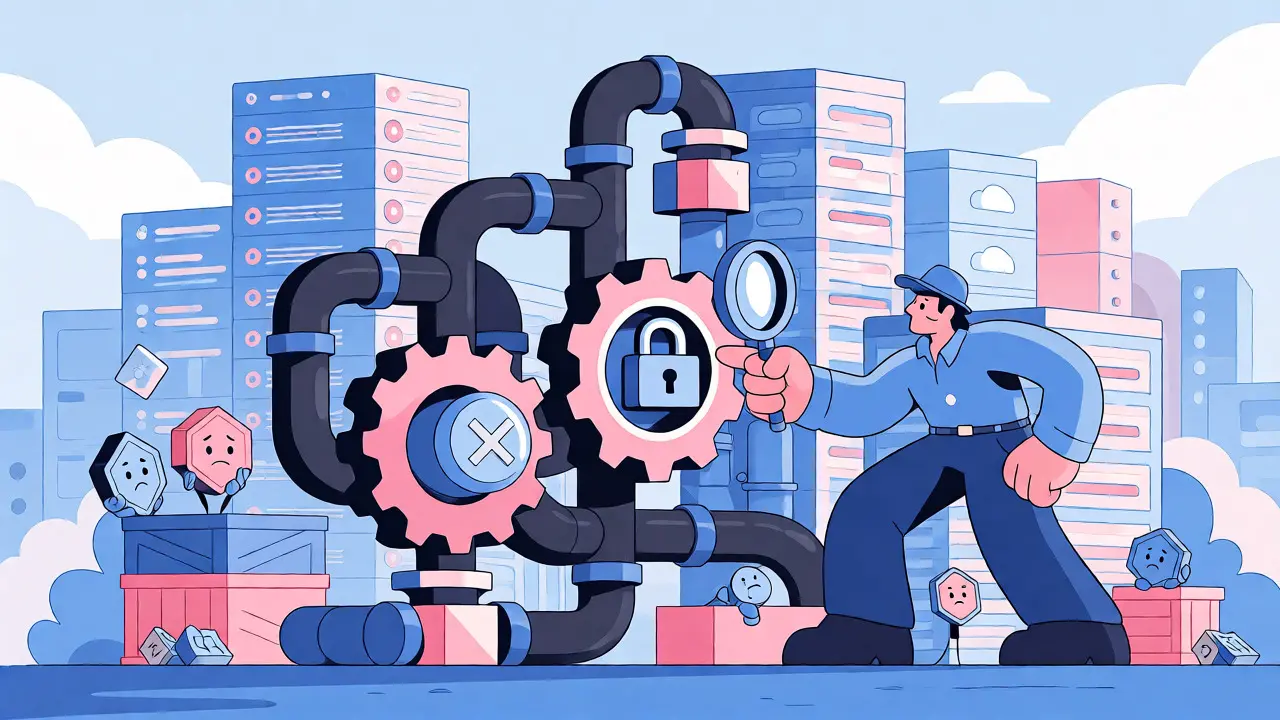
- No Liquidity Lock: This is critical. Check if the liquidity pool is locked. If it’s not, developers can withdraw all the backing funds at any moment. Tools like Unicrypt or Team Finance can show you if liquidity is locked and for how long.
- Unrealistic APYs: If a project promises 10,000% annual yield, ask yourself where that money comes from. Often, it’s just paying early investors with new investor money-a Ponzi-like structure that collapses quickly.
- Concentrated Ownership: Look at the token distribution. If the top 5 wallets hold more than 80% of the supply, those holders control the market. If they decide to sell, the price tanks.
- Missing Audits: Reputable projects get their smart contracts audited by firms like CertiK or OpenZeppelin. If there’s no audit report, or if it’s from an unknown firm, proceed with caution.
Real-World Examples: When Things Went Wrong
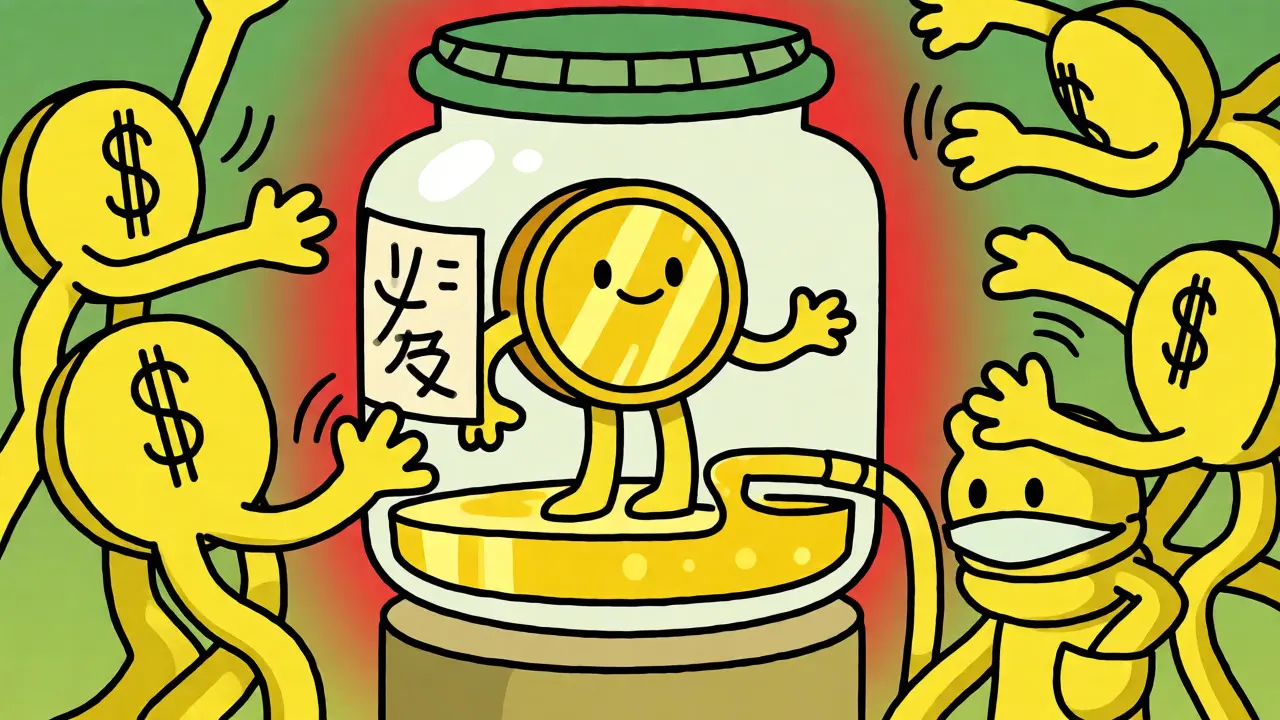
History is full of painful lessons. One of the most famous cases is the Squid Game Token ($SQUID). Launched in late 2021, riding the wave of Netflix popularity, it promised high returns. But when users tried to sell, they couldn’t. The contract had a hidden function preventing sales. Within days, the price crashed from $36 to nearly zero, and developers walked away with millions.
Another notable incident involved the Thodex Exchange in Turkey. While technically an exchange hack/scam, it operated like a massive rug pull. Users woke up to find withdrawals disabled, and the CEO fled abroad with approximately $2 billion in user funds. These examples show that whether it’s a small meme coin or a larger platform, the mechanism of sudden abandonment remains the same.
How to Protect Your Investments
Prevention is better than cure. Before you invest a single dollar, spend 15 minutes doing due diligence. Here’s a quick checklist:
- Check the Contract Address: Use tools like Token Sniffer or GoPlus Security. These platforms scan smart contracts for known scam patterns, such as honeypot mechanisms (where you can buy but not sell).
- Verify Liquidity: Ensure the liquidity is locked for a reasonable period (at least 6-12 months). You can check this on block explorers like Etherscan or BscScan.
- Analyze Social Sentiment: Are real people discussing the project, or does it feel like bot spam? Look for genuine engagement versus repetitive hype phrases.
- Review Tokenomics: Make sure the token utility makes sense. Why does this token exist? If the answer is vague, that’s a red flag.
Remember, if something sounds too good to be true, it probably is. High rewards always come with high risks, especially in unregulated markets.
| Indicator | Safe Sign | Danger Sign |
|---|---|---|
| Liquidity Status | Locked for >6 months | Unlocked or short-term lock |
| Team Identity | Doxxed (public identities) | Fully anonymous |
| Smart Contract Audit | Audited by reputable firm | No audit or unaudited code |
| Token Distribution | Decentralized ownership | Top holders own >50% |
| Selling Ability | Open trading | Honeypot (buy yes, sell no) |
FAQ: Common Questions About Rug Pulls
Can I recover my money after a rug pull?
Usually, no. Because blockchain transactions are irreversible, once the scammers move the funds to another wallet or exchange, tracking them down is difficult. Legal action is possible but slow and expensive. Prevention is far more effective than recovery.
Are all new crypto tokens rug pulls?
No. Many legitimate projects start small. However, new tokens carry higher risk because they lack history. Always verify the team, audit status, and liquidity locks before investing in anything new.
What is a honeypot in crypto?
A honeypot is a type of hard rug pull where the smart contract allows buying but blocks selling. Investors can put money in but cannot get it out, effectively trapping their funds until the developers disable the restriction or abandon the project.
Does locking liquidity prevent rug pulls?
It significantly reduces the risk. If liquidity is locked via a third-party service, developers cannot withdraw the backing funds immediately. However, they could still abandon the project or manipulate the token price through other means, so it’s not a guarantee.
How do I check if a token is a scam?
Use automated scanners like Token Sniffer, GoPlus, or DexTools. These tools analyze the smart contract for malicious functions, check liquidity locks, and review holder distribution. Combine this with manual research on the team and social media presence.
Final Thoughts
Rug pulls are a harsh reality of the crypto wild west. They exploit greed and FOMO (fear of missing out). But they aren't inevitable. By slowing down, checking the code, and verifying the team, you can navigate these waters safely. Don't let the promise of quick riches blind you to the basics. Your capital preservation should always come first.
