
You saw the notification. A bold claim that Hacken is dropping free HAI tokens to your wallet. It sounds too good to be true, right? In the current landscape of late 2026, it almost certainly is. If you are hunting for the latest Hacken Token airdrop details, here is the hard truth: there is no official active airdrop campaign right now. In fact, Hacken has explicitly warned users that any recent announcements claiming otherwise are likely scams.
This confusion stems from a turbulent year for the project. While the community hoped for rewards following their extensive work in Web3 cybersecurity, the reality hit harder than expected. A catastrophic security breach in mid-2025 wiped out nearly 99% of the token's value. So, before you connect your wallet to some random "claim" button, let’s break down exactly what happened, why the airdrop rumors persist, and what the actual status of the HAI token is today.
The Reality Behind the Airdrop Rumors
Why do people keep searching for an airdrop when none exists? It comes down to how crypto communities operate. When a project like Hacken faces a crisis, scammers smell blood. They know holders are anxious about losses and eager for compensation. Following the massive price crash of the HAI token, fake websites popped up promising "recovery airdrops" or "compensation tokens."
Hacken addressed this directly. Their team issued warnings stating that no new airdrops were planned at that time. Any post on X (formerly Twitter) or Telegram claiming to offer free HAI should be treated with extreme skepticism. These are typically phishing attempts designed to drain wallets that have been left connected after interacting with malicious contracts. The core utility of the token hasn't changed just because the price did; the ecosystem still relies on staking and governance, not emergency giveaways.
Anatomy of the Security Breach
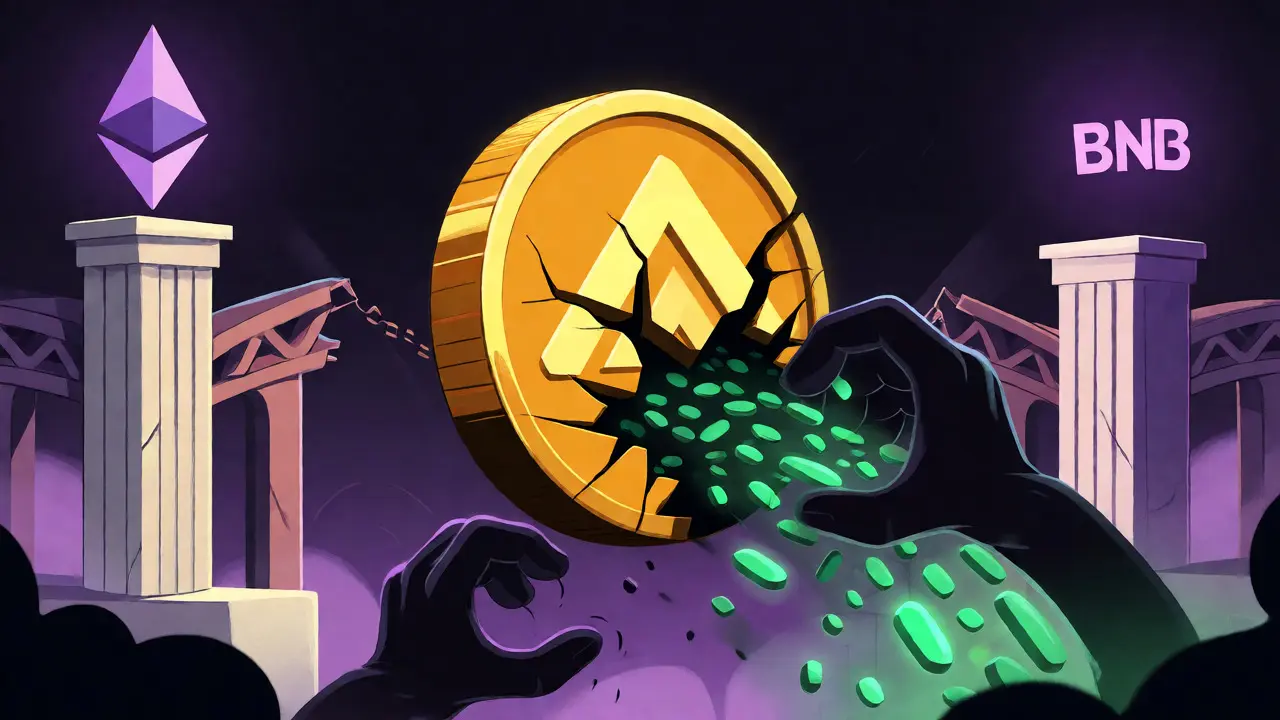
To understand why there is no airdrop, you have to look at the damage control. In June 2025, Hacken suffered a severe security incident. This wasn't just a minor glitch; it was a private key leak affecting accounts with minting privileges on both Ethereum and BNB Chain.
A malicious actor exploited this vulnerability during architectural changes to the blockchain bridge. Ironically, these changes were meant to improve security. The attacker managed to mint approximately 900 million HAI tokens. While they couldn't dump all of them due to liquidity constraints on decentralized exchanges, they successfully swapped around $253,000 worth of tokens before containment measures kicked in. The result? The price plummeted from roughly $0.015 to $0.000056. As of October 2026, the token trades near $0.00026, showing slight recovery but remaining far below its pre-breach highs.
| Metric | Pre-Breach Status | Post-Breach Status |
|---|---|---|
| Token Price | ~$0.015 | ~$0.00026 (Current) |
| Price Drop | N/A | ~99% initial drop, partial recovery |
| Tokens Minted by Attacker | N/A | 900 Million HAI |
| Stolen Value | N/A | ~$250,000 |
| Bridge Functionality | Active | Suspended Indefinitely |
Core Utility: More Than Just Speculation
Despite the drama, the HAI token isn't dead. It remains the native currency of the Hacken ecosystem, which focuses on Web3 cybersecurity auditing. The token serves specific functions that don't require an airdrop to justify their existence. If you hold HAI, you aren't just holding a speculative asset; you are participating in a security network.
- Staking: Users can stake their tokens to earn rewards and secure the network. This mechanism helps reduce circulating supply, potentially stabilizing the price over time.
- Governance via hDAO: Holders participate in the hDAO (Hacken Decentralized Autonomous Organization). This allows the community to vote on critical decisions, such as treasury allocations and protocol upgrades.
- Trust Army Participation: The token grants access to exclusive tasks within the Trust Army, where users contribute data collection and verification services for Web3 projects.
- Service Access: Discounts and priority access to Hacken's smart contract audits and penetration testing services are often tied to holding or spending HAI.
Cross-Chain Complexity and Current Status
The technical backbone of Hacken involves complex cross-chain infrastructure. The token operates on both Ethereum and Binance Smart Chain (BSC). This dual-chain approach offers flexibility but introduces significant security risks, as proven by the 2025 breach. The bridge connecting these two networks was the primary vector for the attack.
Currently, bridge transactions remain paused. Hacken revoked the compromised minter account and regained operational control, but rebuilding trust takes longer than fixing code. There is no confirmed timeline for when the bridge will reopen. For investors, this means moving assets between chains might involve higher friction or reliance on centralized exchanges rather than direct peer-to-peer swaps. Always check the official Hacken channels before attempting large transfers.

How to Spot Scams in the Post-Breach Era
Since the breach, the noise around HAI has increased. Scammers leverage the hope for recovery. Here is how you protect yourself while navigating the ecosystem:
- Verify the Source: Only trust announcements from the verified Hacken social media accounts and their official website. Ignore DMs from "support agents."
- No Private Key Requests: Legitimate airdrops never ask for your seed phrase or private key. If a site asks for it, close the tab immediately.
- Check Contract Addresses: Ensure you are interacting with the correct HAI contract addresses on Ethereum and BSC. Scammers often deploy fake tokens with similar names.
- Skepticism of "Compensation": Remember, Hacken stated no airdrops are planned. Claims of "automatic compensation" are red flags.
Looking Ahead: Rebuilding Trust
The path forward for Hacken involves more than just restoring the bridge. The company must demonstrate enhanced security protocols to regain the confidence of the Web3 community. As a firm that sells security audits, the irony of their own breach is not lost on industry observers. Future developments will likely focus on transparent communication regarding bridge restoration and potential new utility features that incentivize long-term holding over short-term speculation.
If you are already a holder, patience may be the best strategy. The token has shown resilience, trading above its absolute low point. If you are looking to enter, wait for concrete news on bridge functionality rather than chasing phantom airdrops. The market values transparency, and Hacken's ability to navigate this crisis will define its future reputation.
Is there currently an active HAI token airdrop?
No, according to official statements from Hacken, there are no active airdrop campaigns for the HAI token. Recent claims of airdrops are likely scams or phishing attempts exploiting user interest following the 2025 security breach.
What caused the HAI token price crash?
The price crashed by approximately 99% due to a security breach involving a leaked private key. This allowed a malicious actor to mint 900 million HAI tokens and dump them into the market, significantly increasing supply and reducing value.
Which blockchains support the HAI token?
The HAI token operates on both the Ethereum network and the Binance Smart Chain (BSC). However, cross-chain bridge transactions between these networks have been suspended indefinitely since the security incident.
Can I still use my HAI tokens for governance?
Yes, HAI tokens continue to function within the Hacken ecosystem. Holders can participate in the hDAO for governance voting, stake their tokens, and access certain cybersecurity services, regardless of the bridge suspension.
When will the Hacken bridge be restored?
As of October 2026, Hacken has not announced a specific timeline for the restoration of the cross-chain bridge. Users should monitor official Hacken channels for updates on security improvements and bridge reactivation.
