
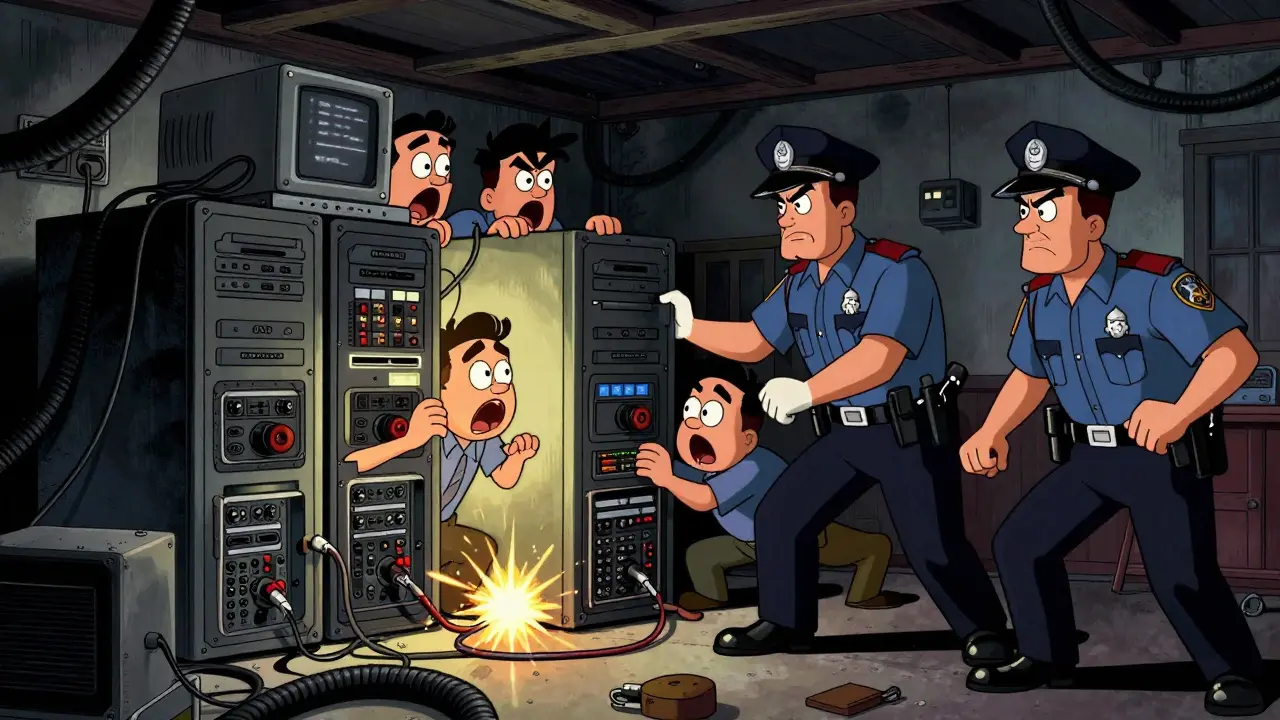
The lights went out in many parts of Kosovo in late 2021, but for one specific group, the darkness was metaphorical. On January 4, 2022, acting Economy Minister Artane Rizvanolli signed an emergency decree that instantly shut down cryptocurrency miningthe process of using computer power to validate transactions on a blockchain network across the country. This wasn't just a policy tweak; it was a hard stop. Police raided homes and businesses, confiscating high-tech servers worth tens of thousands of euros. For the miners who had turned their garages into gold mines thanks to cheap coal-powered electricity, it felt like a robbery. For the rest of the nation, struggling with blackouts and freezing temperatures, it felt like justice.
Fast forward to 2026, and the situation is far more nuanced than a simple "yes" or "no." The outright ban has evolved into a complex regulatory framework that allows mining only under strict conditions. If you are looking to understand why this happened, how it affects investors today, or whether there is still room for digital asset operations in the Balkans, you need to look beyond the headlines. This story is about the clash between global digital trends and local energy realities.
The Spark: Why Kosovo Banned Mining Overnight
To understand the ban, you have to understand the grid. Kosovo relies heavily on coal-fired power plants. In December 2021, one of the two main plants shut down for maintenance. Coinciding with a harsh winter, this created a massive supply gap. The government declared a 60-day state of emergency because they simply couldn’t keep the lights on for hospitals, schools, and homes.
Enter the miners. Before the ban, Bitcoin mining was incredibly profitable in Kosovo. Why? Because electricity was virtually free or heavily subsidized. A miner named Dragan (a pseudonym used in reports) was earning up to €2,000 ($2,270) a month in northern Kosovo. That’s five times the average monthly income in one of Europe’s poorest countries. These miners weren't pulling their plug during shortages; they were drawing massive amounts of power from the same grid that was failing to heat ordinary homes.
The Technical Committee for Emergency Measures in Energy Supply recommended immediate action. The government agreed. The logic was stark: either save the national grid or lose it. The ban applied to all cryptocurrency production using the public grid. It didn't matter if you were mining Bitcoin, Ethereum, or any other proof-of-work coin. If you plugged into the national outlet, you were off-limits.
From Prohibition to Permission: The New Rules
The initial reaction was shock. Miners had invested heavily in specialized hardware, expecting long-term returns. The sudden confiscation of devices valued at €20,000-€30,000 per operation left many financially devastated. But the landscape shifted quickly after the emergency passed.
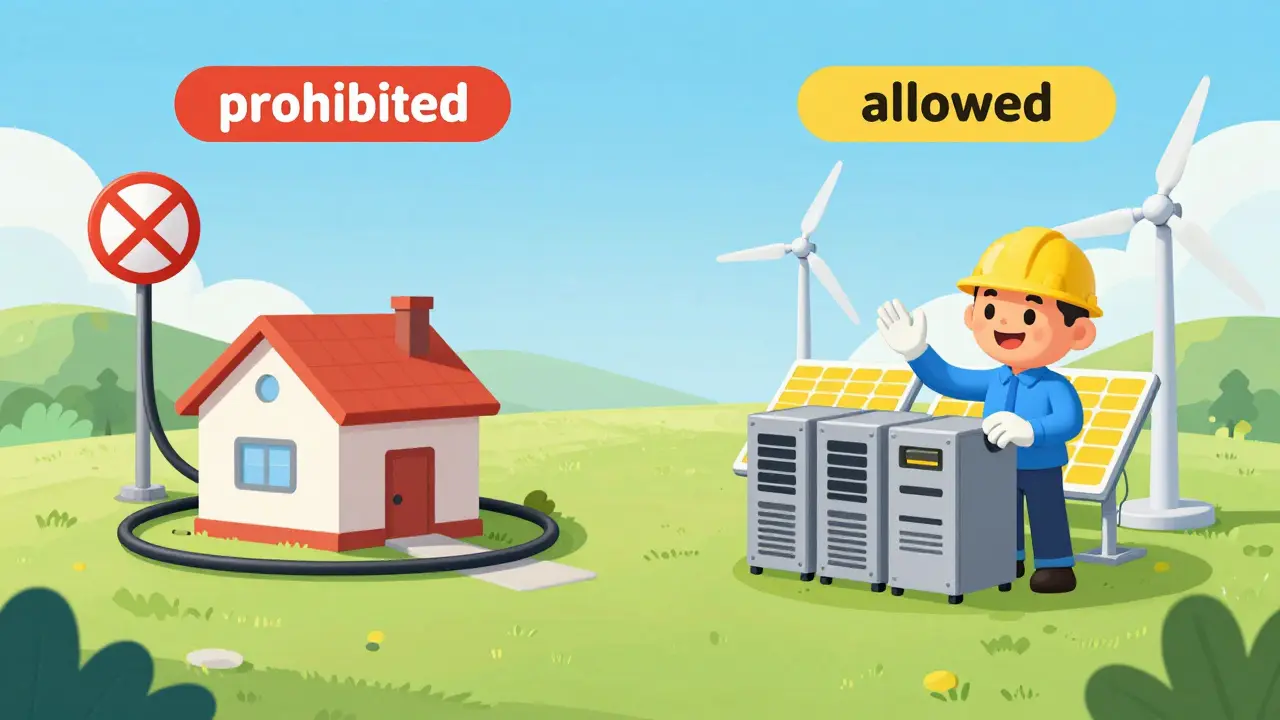
As of 2025 and continuing into 2026, the rulebook has changed. According to Mimoza Kusari-Lila, former chairwoman of the Parliamentary Working Group on Cryptocurrency, mining is no longer completely illegal. It is permitted, but with a major catch: you cannot use the universal public grid. You must use alternative sources of electricity.
This distinction is crucial. It means that if you can generate your own power-through solar panels, wind turbines, or private generators-you can mine. However, if you draw even a kilowatt-hour from the state-owned utility, you are breaking the law. This aligns with the liberalization of the energy market, pushing operators toward self-sufficiency rather than relying on subsidized fossil fuels.
| Aspect | 2022 Emergency Ban | Current Framework (2026) |
|---|---|---|
| Status | Complete prohibition | Conditional permission |
| Energy Source | All sources banned | Alternative/private sources allowed; public grid prohibited |
| Enforcement | Police raids and confiscations | Regulatory monitoring and taxation |
| Legal Basis | Emergency decree | Draft legislation aligned with EU standards |
The Legal Gray Area and European Pressure
When the ban first hit, legal experts raised eyebrows. There was no existing law specifically regulating cryptocurrency mining in Kosovo at the time. The government acted out of necessity, not legislative precision. This reactive approach highlighted a common problem in emerging markets: technology moves faster than regulation.
Since then, the Assembly of Kosovo has been working on comprehensive cryptocurrency legislation. As reported by Jeta Statovci, vice-president of the parliamentary Committee for Industry, Economy, Entrepreneurship and Trade, the draft law was nearly 90% complete. However, progress slowed due to intervention from the European Commission.
Why the delay? The EU sent advisers to review the draft, focusing on money laundering risks. Kosovo aims to align its laws with European best practices. This isn't just about energy; it's about financial integrity. The new framework requires verification of imported mining equipment, monitoring of transaction activities, and establishing proper taxation. The goal is to bring crypto under governmental control, preventing organized crime while allowing legitimate business.
Global Context: Kosovo Is Not Alone
Kosovo’s actions mirror a broader global trend. By April 2024, at least eight countries had implemented outright bans on cryptocurrency mining. The biggest example is China, which hosted nearly 75% of global Bitcoin mining capacity before shutting it down in 2021. China’s move was driven by climate goals and financial stability concerns, similar to Kosovo’s energy security issues.
The environmental argument is strong here. Studies from the University of Cambridge show that only 39% of electricity powering Bitcoin mining comes from renewable sources. The remaining 61% relies on natural gas, oil, and coal. In a country like Kosovo, where coal dominates the energy mix, this statistic is alarming. Every megawatt used by a miner is a megawatt not available for essential services.
This global shift forces miners to adapt. Those who stayed in Kosovo had to innovate. They began exploring hybrid energy solutions, combining battery storage with intermittent renewables. Others left entirely, moving to regions with cheaper, greener power. The ban didn't kill crypto in Kosovo; it forced it to mature.
What This Means for Investors and Miners Today
If you are considering entering the Kosovo market in 2026, you need a realistic plan. The days of plugging in a server and forgetting about electricity bills are over. Here is what you need to know:
- Energy Independence is Mandatory: You must secure your own power source. Solar farms, wind installations, or private diesel generators are your only options. Using the public grid will result in fines and equipment seizure.
- Equipment Verification: Importing mining rigs now requires documentation. Authorities want to track what enters the country to prevent unregulated activity. Keep your invoices and customs papers ready.
- Taxation Compliance: The new framework emphasizes taxation. Profits from mining are taxable income. Failure to report earnings can lead to severe penalties under the anti-money laundering provisions being integrated into the law.
- Market Volatility: Regulatory delays can still occur. While the draft law is advanced, final passage depends on political consensus and EU approval. Stay informed on legislative updates.
The economic impact remains significant. Miners who adapted have found success by positioning themselves as green energy users. Some even sell excess power back to the grid during peak hours, creating a dual revenue stream. However, the barrier to entry is much higher than in 2021. You need capital for infrastructure, not just hardware.
Environmental Sustainability and Future Outlook
Kosovo’s approach offers a model for other energy-constrained nations. By tying crypto permissions to alternative energy use, the government encourages innovation without sacrificing grid stability. This balances the economic potential of digital assets with national security needs.
Looking ahead, the success of this system depends on enforcement. Can authorities reliably distinguish between private generators and grid-tied operations? Will the pending cryptocurrency law pass without further delays? These questions remain open. However, the direction is clear: Kosovo wants to be part of the digital economy, but on its own terms.
For the global crypto community, Kosovo serves as a reminder. Energy is the hidden cost of decentralization. As countries prioritize sustainability, miners must follow suit. The era of cheap, dirty power for profit is ending. The future belongs to those who can mine cleanly, legally, and efficiently.
Is cryptocurrency mining completely illegal in Kosovo?
No, it is not completely illegal. As of 2026, mining is permitted if you use alternative energy sources such as solar, wind, or private generators. However, using electricity from the public national grid for mining purposes remains strictly prohibited.
Why did Kosovo ban crypto mining in 2022?
The ban was an emergency measure taken during a severe energy crisis. With one of the main coal power plants shut down, the national grid could not meet basic demand for heating and essential services. Miners were consuming excessive amounts of subsidized electricity, exacerbating blackouts for the general population.
Can I import mining equipment into Kosovo?
Yes, but you must comply with verification requirements. The government monitors imported equipment to prevent illegal activities and ensure compliance with anti-money laundering laws. You should maintain detailed records of your imports and register your operations as required by the evolving legislative framework.
How does Kosovo's ban compare to other countries?
Kosovo follows a trend seen in countries like China and several others that have restricted mining due to energy and environmental concerns. Unlike some nations with total bans, Kosovo has moved toward a conditional permission model that rewards renewable energy usage, aligning with European Union standards on sustainability and financial regulation.
What happens if I get caught mining on the public grid?
Violators face confiscation of their mining equipment and potential legal penalties. During the initial ban, police conducted raids seizing devices worth tens of thousands of euros. Under current regulations, enforcement focuses on ensuring energy conservation and tax compliance, so violations are treated seriously to protect the national grid.
Is the cryptocurrency law in Kosovo fully enacted yet?
As of 2026, the comprehensive cryptocurrency law is still in the final stages of development. It has been reviewed by European Commission advisers to ensure compatibility with EU anti-money laundering standards. While operational guidelines exist, the full legislative framework may take additional time to finalize and implement completely.
