Staking Earnings Calculator
Estimated Returns
Total Staked: $0.00
Estimated Rewards: $0.00
Total Value After Staking: $0.00
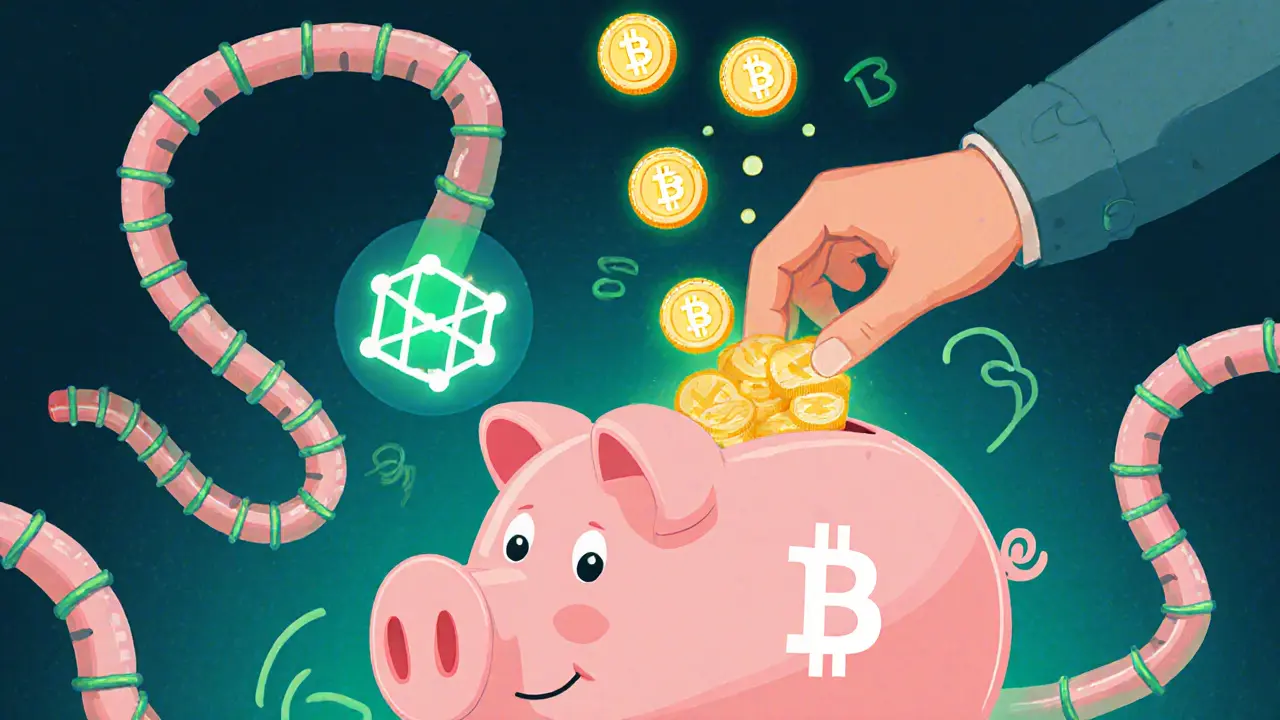
Imagine putting your crypto into a savings account that pays you interest-except there’s no bank involved. That’s cryptocurrency staking in a nutshell. Instead of selling your tokens or hoping their price goes up, you lock them up to help run a blockchain network and get paid for it. No mining rigs, no insane electricity bills. Just your coins working for you.
How Staking Works: The Proof-of-Stake System
Most early blockchains like Bitcoin used something called proof-of-work. Miners competed to solve hard math puzzles using powerful computers. It worked, but it used more electricity than some countries. Proof-of-stake (PoS) changed that. Instead of using brute force, PoS lets people validate transactions based on how much crypto they own and are willing to lock up. When you stake, you’re essentially saying: “I believe in this network. I’ll hold my tokens and help verify transactions.” In return, the network picks you-randomly, but weighted by how much you’ve staked-to create the next block. If you do it right, you earn new tokens as a reward. If you try to cheat or validate bad transactions, you lose part of your stake. That’s called slashing, and it keeps people honest. Ethereum switched to proof-of-stake in 2022, and since then, over 30% of all ETH has been staked. Other networks like Solana, Cardano, and Polygon also use PoS. This shift wasn’t just about saving energy-it made it easier for regular people to participate in securing the network.How Much Can You Earn? Rewards Explained
Staking rewards aren’t fixed. They depend on the network, how many people are staking, and how much total crypto is locked up. For example:- Ethereum pays around 3-5% annual percentage yield (APY) depending on total staked ETH.
- Solana offers roughly 5-7% APY.
- Cardano gives about 4-5%.
How to Stake: Exchanges, Pools, or Solo Validators
You don’t need to be a tech expert to stake. There are three main ways:- Staking on exchanges: Platforms like Coinbase, Binance, and Kraken let you click a button to stake. They handle everything-setting up nodes, managing slashing risks, distributing rewards. You get lower rewards (because they take a cut), but it’s the easiest way to start.
- Staking pools: These are groups of people who combine their stakes to increase their chances of being selected as validators. You join a pool, lock your tokens, and get a share of the rewards. Popular for networks like Ethereum where you need 32 ETH to run a solo validator.
- Solo staking: You run your own validator node. Requires 32 ETH for Ethereum, technical setup, a reliable internet connection, and constant monitoring. If your node goes offline, you get penalized. Only for experienced users.
What Are the Risks?
Staking isn’t risk-free. Here’s what you need to watch out for:- Slashing: If you’re a validator and you mess up-like signing two different blocks at the same time-you lose a portion of your stake. It’s rare on exchanges because they handle it for you, but it’s real if you run your own node.
- Price volatility: Your 100 SOL might earn you 5 SOL in a year. But if SOL drops 30% during that time, you still lost money overall. Staking doesn’t protect you from market crashes.
- Lockup periods: Some networks lock your tokens for days or weeks before you can unstake. Ethereum’s withdrawal system opened in 2023, but some staking services still have waiting periods. You can’t sell if the market spikes.
- Platform risk: If you stake on an exchange and that exchange gets hacked or shuts down, you could lose access. That’s why many prefer self-custody wallets like Ledger or MetaMask for staking through pools.
Why Staking Matters Beyond Passive Income
Staking isn’t just a way to earn. It’s how blockchains stay secure and decentralized. The more people stake, the harder it is for any single group to take over the network. That’s called a 51% attack-and PoS makes it astronomically expensive. To control the network, you’d need to own over half of all staked tokens. That’s not just hard-it’s economically irrational. Why buy 50% of a network when you can just stake your 1% and earn rewards instead? It’s also greener. Ethereum’s energy use dropped by 99.95% after switching to PoS. That’s a big deal. Staking is one of the main reasons crypto is becoming more sustainable.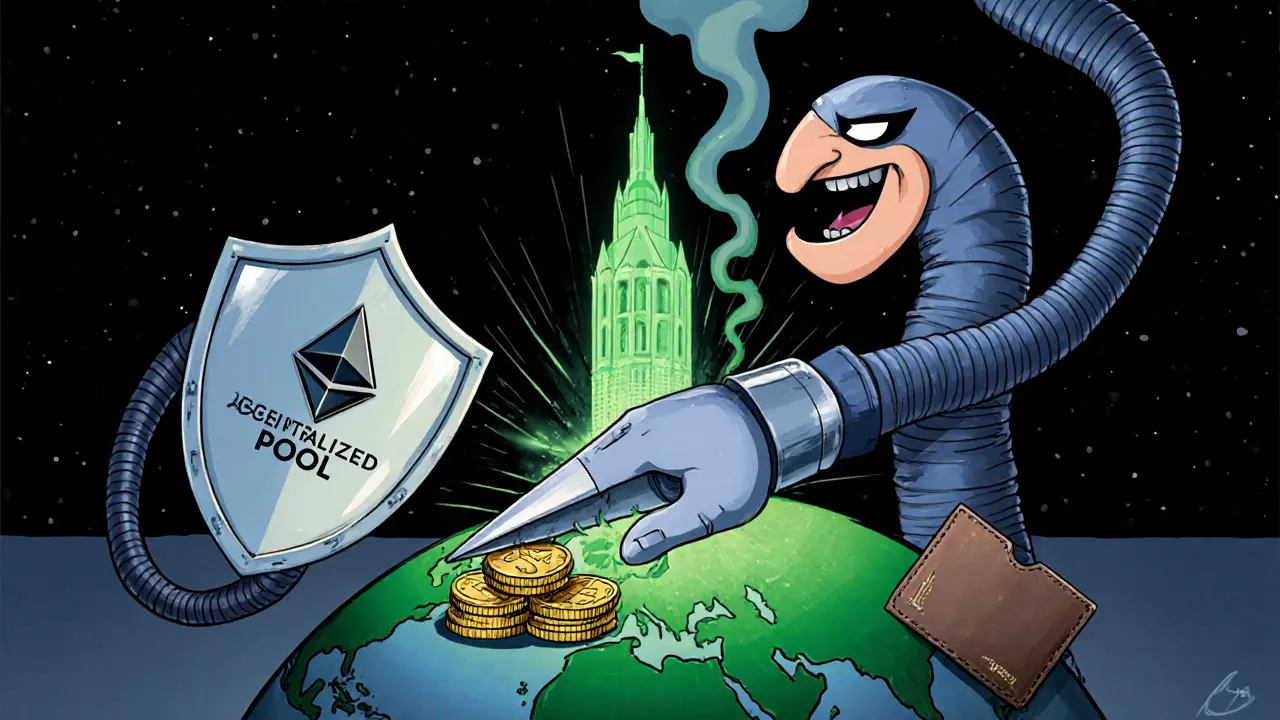
What’s Next for Staking?
The future of staking is getting more flexible. Liquid staking is already here. It lets you stake your ETH and get a token in return-like stETH-that you can trade, lend, or use in DeFi while your original ETH is still locked. That solves the biggest complaint: being stuck with your coins. More networks are adopting PoS. Even Bitcoin alternatives like Stacks and Layer 2 solutions are building staking into their designs. Governments and institutions are watching closely. The SEC has started asking questions about whether staking rewards count as securities. That could change how exchanges offer them. But for now, staking is one of the most straightforward ways to earn from crypto without trading. It rewards patience, supports the network, and keeps you in the game-even when prices are flat.Should You Stake?
Ask yourself:- Do you believe in this cryptocurrency long-term?
- Can you leave your tokens locked for weeks or months?
- Are you okay with market risk?
- Do you want to help secure the network, or just earn rewards?
Staking turns your idle crypto into something useful. It’s not magic. It’s mechanics. And it’s here to stay.
Is cryptocurrency staking safe?
Staking is generally safe if you use trusted platforms and understand the risks. The biggest danger isn’t hacking-it’s slashing (losing part of your stake for mistakes) or losing money if the token’s price drops. Staking through exchanges like Coinbase or Kraken reduces technical risk, but you’re trusting them with your assets. For maximum security, use a hardware wallet and stake via a decentralized pool.
Can you lose money staking crypto?
Yes. You can lose money in two ways: First, if the value of the token you’re staking drops, your overall portfolio loses value-even if you earned rewards. Second, if you’re running your own validator and make a mistake (like going offline too often), you can be slashed and lose a portion of your stake. Most exchange-based staking protects you from slashing, but not from price swings.
How often are staking rewards paid?
It varies by network. Ethereum pays rewards every epoch (about every 6.4 minutes), but you usually see them credited daily or weekly on exchanges. Solana pays out every 2-3 days. Cardano pays every 5 days. Some platforms compound rewards automatically, others pay them as a separate balance. Check your platform’s payout schedule before staking.
Do you need 32 ETH to stake Ethereum?
Only if you want to run your own validator node. Most people don’t need that much. You can stake any amount through exchanges or staking pools. Pools combine small stakes from many users to meet the 32 ETH requirement. So even if you have 0.5 ETH, you can still earn rewards-just not as a solo validator.
Is staking better than holding crypto?
It depends. Holding means you wait for price increases. Staking gives you rewards on top of that. If the token’s price stays flat or rises slowly, staking helps you grow your balance. But if the price crashes hard, staking won’t save you. Staking is a way to earn while you hold-it’s not a replacement for good timing or research.
What happens if a staking platform goes out of business?
If you stake through an exchange and it shuts down or gets hacked, you could lose access to your funds. That’s why many experts recommend using a self-custody wallet and staking through decentralized protocols like Lido or Rocket Pool. These don’t hold your keys-you do. Even if the platform disappears, your tokens are still on the blockchain and you can reclaim them.
Are staking rewards taxed?
In most countries, staking rewards are treated as income when you receive them. For example, if you earn 1 ETH as a reward, and it’s worth $3,000 at the time, that $3,000 is taxable income. Later, if you sell that ETH for more, you may owe capital gains tax. Tax rules vary by country-consult a local tax professional. The IRS, HMRC, and others all treat staking rewards as taxable events.
Can you unstake your crypto anytime?
Not always. Some networks have waiting periods. Ethereum allows unstaking now, but it can take 18-24 hours to withdraw. Other chains like Cosmos or Polkadot have 21-day unbonding periods. Exchanges may add their own delays. Always check the unstaking rules before you stake-especially if you might need your funds quickly.

9 Comments
Abby cant tell ya
Okay but like… why are we still pretending this isn’t just Wall Street 2.0 with extra steps? You think some guy in Iowa staking 5 ETH is really ‘securing the network’? Nah. It’s hedge funds buying up 90% of the supply and calling it ‘decentralized finance.’ 🤡
Janice Jose
I started staking 20 SOL last year just to see what it felt like. Didn’t expect to earn 1.5 SOL in 6 months. It’s not life-changing, but it’s nice having free crypto piling up while I sleep. No stress, no trading. Just… holding and earning. 🌱
Eddy Lust
stakeing is kinda like putting your money in a jar labeled 'trust the protocol' and hoping the jar doesn't get smashed by a bear named 'market crash' 😅
the rewards are nice, sure, but i've seen people get so hyped about 5% apy they forget their entire portfolio tanked 60%. it's not a get-rich-quick scheme-it's a 'get-slightly-less-poor-over-time' scheme if you're lucky.
Casey Meehan
YOOOOO DID YOU KNOW CARDANO'S STAKING REWARDS ARE PAID EVERY 5 DAYS?? 🤯 THAT'S LIKE FREE MONEY ON A SCHEDULE!! I GET MY ADA REWARDS LIKE A BIRTHDAY PRESENT 🎁💸 and yes i use coinbase bc i'm lazy and my wallet is already there 🤷♂️
Tom MacDermott
Oh wow, another article pretending staking is 'green' and 'democratic.' Let me guess-you also think NFTs are art and Bitcoin is digital gold? The entire PoS model is just a glorified Ponzi scheme where the early adopters get paid by the latecomers. And don’t get me started on liquid staking-those stETH tokens? They’re IOUs backed by a black box. You’re not staking. You’re lending. And you’re being lied to.
Martin Doyle
Bro, you’re all missing the point. If you’re not running your own validator, you’re not even participating-you’re just renting your coins to a corporation. Coinbase doesn’t care about decentralization. They care about your fee. If you really believe in crypto, go full node. 32 ETH isn’t a barrier-it’s a filter. The rest of you are just yield farmers playing pretend.
Susan Dugan
Let me tell you something-I staked 500 ADA on a pool through my Ledger, and honestly? It’s been the most chill crypto experience I’ve ever had. No drama, no panic selling. The rewards are steady, the interface is clean, and I sleep better knowing I’m not just hoarding. It’s like a low-key dividend. If you’re scared of tech, start with an exchange. If you’re ready to grow? Try a self-custody pool. Either way-you’re doing better than 90% of people who just HODL and cry when the price dips.
Tony spart
Staking? More like socialism for crypto bros. America built this nation on hard work, not locking up digital tokens to get paid by some global computer network. If you want passive income, get a side hustle. Not some blockchain magic trick that’s gonna crash when the feds shut it down. #AmericaFirst #CryptoIsNotMoney
Vaibhav Jaiswal
Guys, I’m from India, and I started with just 0.2 ETH on Lido. Didn’t know what a validator was. Didn’t even know how to spell ‘proof-of-stake.’ Now I get rewards every 12 hours. It’s not about being a genius. It’s about being consistent. If you’re scared of tech, start small. If you’re scared of losing money, remember-stake > sell. And if you’re scared of everything? Just hold. But don’t knock it till you tried. 🙏