
Have you seen the buzz about an Anonverse and CoinMarketCap (CMC) airdrop? If you’re hoping to claim free tokens, stop right here. As of May 2026, there is no official record of a legitimate partnership between a project called "Anonverse" and CoinMarketCap for an airdrop campaign. In fact, this specific combination of names is a classic red flag used by scammers to trick users into connecting their wallets to malicious sites.
The crypto space moves fast, and new projects pop up daily. But when it comes to airdrops involving major brands like CoinMarketCap, you need to be extremely careful. This guide breaks down why this specific "Anonverse X CMC" offer is likely a scam, how these attacks work, and how you can verify real opportunities so you don’t lose your hard-earned assets.
The Truth About the Anonverse X CMC Claim
Let’s get straight to the point: CoinMarketCap does not randomly partner with obscure or newly launched projects for airdrops without massive, verifiable announcements across all their official channels. A quick search through credible crypto news sources and CoinMarketCap’s own blog reveals zero mention of an "Anonverse" collaboration.
Scammers often use the name "CoinMarketCap" or "CMC" to borrow credibility. They create fake landing pages that look professional, complete with logos and countdown timers, promising huge rewards if you just connect your wallet. The goal isn’t to give you tokens; it’s to drain them. When you see a title like "(ANON) Anonverse X CMC airdrop," the "(ANON)" tag might refer to the token ticker, but in this context, it’s often part of a deceptive marketing tactic designed to sound mysterious or exclusive.
Is there an official Anonverse X CMC airdrop?
No. There is no verified announcement from CoinMarketCap regarding an airdrop with a project named Anonverse. Any site claiming otherwise is likely fraudulent.
How These Fake Airdrop Scams Work
Understanding the mechanics behind these scams helps you spot them before they hurt your portfolio. Here is the typical playbook used by bad actors:
- Fake Landing Pages: Scammers build websites that mimic the design of legitimate platforms. They use similar color schemes, fonts, and even stolen logos from CoinMarketCap to confuse users.
- Social Media Hype: Bots and paid influencers post about the "guaranteed" airdrop on Twitter, Telegram, and Discord. They use urgent language like "Claim now before it’s gone!" to bypass critical thinking.
- Wallet Connection Requests: To "claim" the tokens, you are asked to connect your MetaMask, Trust Wallet, or other Web3 wallet. This step is crucial because it gives the scammer access to your wallet address and potentially your private keys if you sign a malicious transaction.
- Malicious Smart Contracts: Once connected, the site may ask you to approve a transaction. This approval often grants the scammer unlimited spending power over your existing tokens. They then drain your wallet of ETH, USDT, or other valuable assets.
It’s important to note that legitimate airdrops never require you to pay gas fees upfront to receive tokens, nor do they ask for your seed phrase. If a site asks for your 12-word recovery phrase, close the tab immediately.
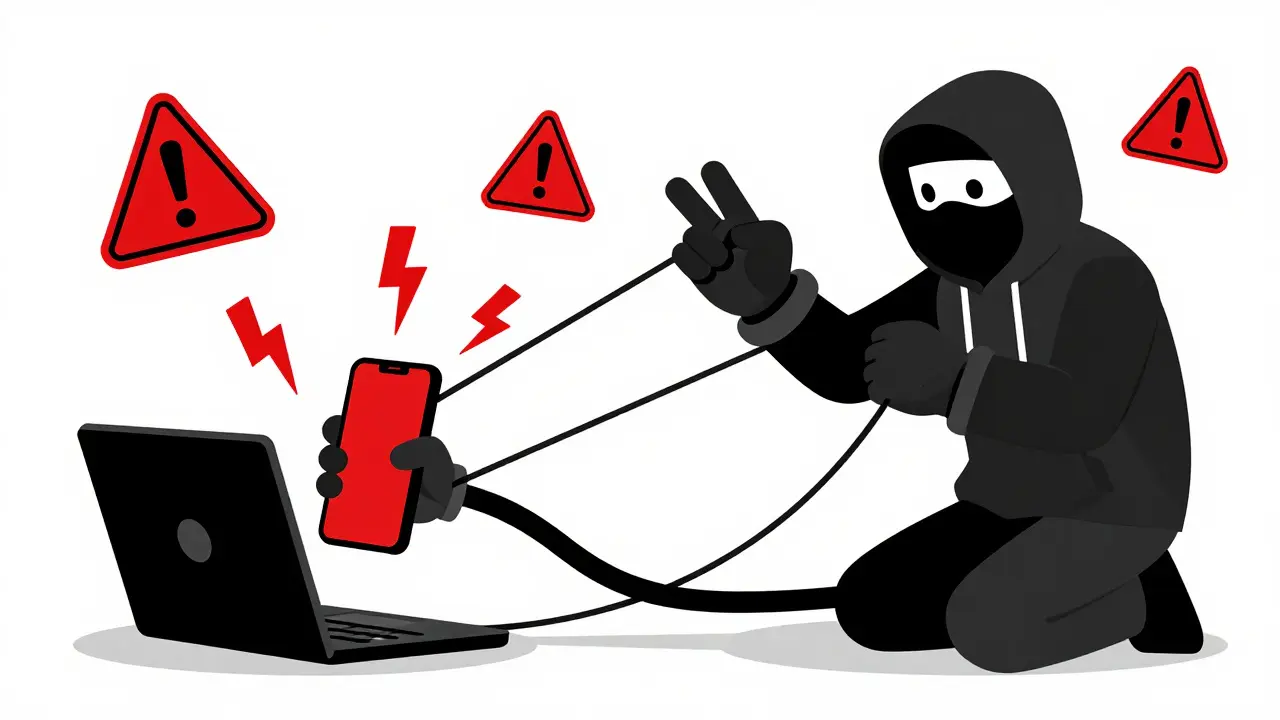
Red Flags to Watch For
You can protect yourself by learning to identify the warning signs of a fake airdrop. Here are the most common indicators:
| Red Flag | Why It’s Dangerous |
|---|---|
| Unverified Domain Names | Look for slight misspellings like coinmarketcap-airdrop.com instead of coinmarketcap.com. |
| No Official Announcement | If it’s not on the project’s official website and verified social media, it’s likely fake. |
| Urgency Tactics | Phrases like "Limited time only" or "Last chance" pressure you into acting without research. |
| Request for Seed Phrase | Legitimate services never ask for your seed phrase. This is a guaranteed scam. |
| Unknown Token Tickers | Tokens like "ANON" with no track record or audit history are high-risk. |
Another key indicator is the lack of transparency. Legitimate projects publish detailed whitepapers, team information, and audit reports from reputable firms like CertiK or OpenZeppelin. If you can’t find this information for "Anonverse," assume the worst.
How to Verify Legitimate Airdrops
Not all airdrops are scams. Projects like LayerZero, zkSync, and Hyperliquid have run successful, legitimate campaigns. So how do you tell the difference? Follow these steps:
- Check Official Channels: Go directly to the project’s official website and their verified Twitter/X account. Look for pinned posts or blog articles announcing the airdrop.
- Use Reputable Aggregators: Sites like Airdrop.io or CoinMarketCap’s own "Airdrops" section list verified opportunities. If it’s not listed there, be skeptical.
- Research the Team: Use LinkedIn or GitHub to verify the identities of the developers. Anonymous teams are higher risk, especially for large financial promises.
- Read Community Feedback: Join the project’s official Discord or Telegram. Ask questions. If the community is full of bots or aggressive promoters, leave.
- Never Share Private Keys: Use a hardware wallet like Ledger or Trezor for significant holdings. Connect only to trusted dApps.
For example, when MetaMask announced its token launch, the details were clear: a minimum balance requirement, specific eligibility criteria, and official documentation. There was no confusion, no urgency, and no request for extra permissions beyond standard interaction.
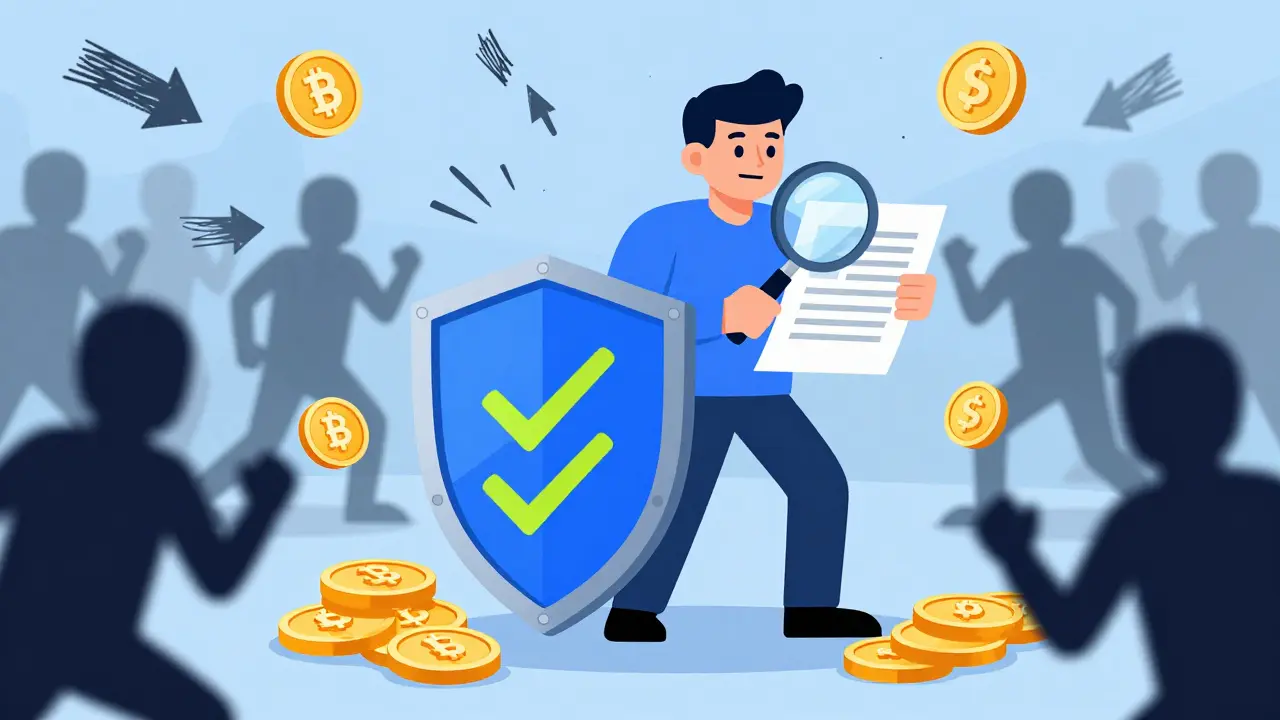
What to Do If You’ve Already Connected Your Wallet
If you suspect you’ve fallen for a scam, act quickly. Time is of the essence.
- Revoke Permissions: Visit a service like Revoke.cash or use your wallet’s built-in revocation tool. Disconnect any suspicious apps and revoke token approvals.
- Move Funds: Transfer your remaining assets to a new, secure wallet. Generate a new seed phrase and never reuse the old one.
- Monitor Transactions: Keep an eye on your blockchain explorer (like Etherscan) for unauthorized outgoing transactions.
- Report the Scam: Report the phishing site to CoinMarketCap support and relevant authorities. This helps protect others.
Remember, once funds are sent to a scammer’s wallet, they are nearly impossible to recover. Prevention is far better than cure.
Final Thoughts on Crypto Safety
The allure of free money is powerful, but in crypto, nothing is truly free. Every airdrop has a cost-usually your data, your attention, or your security. By staying informed and skeptical, you can navigate the space safely. Always prioritize verification over excitement. If something seems too good to be true, especially with big-name branding like CoinMarketCap attached, it almost certainly is.
Stay vigilant, double-check every link, and never rush into connecting your wallet. Your financial security depends on it.
Is Anonverse a legitimate project?
There is no widely recognized, verified project called "Anonverse" with a legitimate track record. Exercise extreme caution with any platform using this name.
Does CoinMarketCap host airdrops?
CoinMarketCap lists airdrops from various projects, but they do not directly issue tokens themselves. Always verify the source through their official blog.
How can I check if an airdrop is real?
Verify the announcement on the project’s official website and social media. Check for audits, team transparency, and listings on reputable aggregator sites.
What should I do if I clicked a suspicious link?
Immediately disconnect your wallet, revoke all token approvals using Revoke.cash, and move your funds to a new, secure wallet.
Are anonymous team projects safe?
Anonymous teams carry higher risk. While some successful projects started anonymously, they are more prone to rug pulls. Always conduct thorough due diligence.
