
Imagine logging into your favorite crypto app only to find it blocked because the government decided it wasn't following the rules. For millions of Indian traders, this isn't a hypothetical nightmare-it’s the reality of 2026. The landscape for Indian crypto exchange regulations has shifted from a "wild west" era to one of strict, banking-level oversight. If you are trading digital assets in India today, understanding who is compliant and who is at risk is no longer optional; it is essential for protecting your capital.
The story of India’s crypto market is largely defined by two major domestic players: CoinDCX, known as the country’s first digital asset unicorn, and WazirX, one of the pioneering exchanges that helped popularize Bitcoin in the region. Both platforms have faced significant hurdles, from massive security breaches to intense regulatory scrutiny. As we navigate mid-2026, the question isn’t just which exchange offers better fees, but which one can survive the tightening noose of compliance enforced by the Financial Intelligence Unit of India (FIU-IND).
The Regulatory Wake-Up Call: From Hacks to Hard Rules
To understand where things stand today, we have to look at what broke the system. In 2024, WazirX suffered a catastrophic security breach resulting in a $230 million hack. This wasn’t just a loss of funds; it was a shockwave that exposed critical vulnerabilities in the sector’s infrastructure. Users were left watching their assets vanish, contrasting WazirX’s slow recovery with international platforms like BingX, which resumed operations within 24 hours after similar incidents. This incident became the catalyst for severe regulatory tightening.
Then, in July 2025, CoinDCX experienced its own major security breach. These back-to-back failures reinforced regulators’ concerns about cybersecurity preparedness across domestic exchanges. The government realized that self-regulation wasn’t enough. By September 2025, the FIU-IND introduced mandatory cybersecurity audits conducted by CERT-In-approved firms. This move positioned cybersecurity not as an IT checkbox, but as a strategic investment requirement for all crypto platforms operating in India.
The core of this new framework is the Prevention of Money Laundering Act (PMLA). Since March 2023, Virtual Digital Asset (VDA) service providers have been brought under banking-level Know Your Customer (KYC) and Anti-Money Laundering (AML) regulations. This means crypto exchanges must now operate with the same transparency and reporting standards as traditional banks. If you are sending money, every detail matters.
What Does Compliance Actually Look Like?
For users, the most visible change is the implementation of the Financial Action Task Force (FATF) Travel Rule. India adopted this rule with no minimum threshold. What does that mean for you? It requires detailed sender-receiver information for all cryptocurrency transfers, regardless of the amount. Whether you are sending $10 or $10,000, your identity and destination details are tracked and reported.
This represents one of the strictest compliance regimes globally. Exchanges must maintain continuous reporting of suspicious transactions and implement robust anti-money laundering systems. The goal is clear: combat rising cyber threats while maintaining control over a rapidly growing sector. India ranks high in global blockchain analysis reports for crypto adoption, making it a prime target for illicit finance if left unchecked.
Let’s break down the key requirements for any exchange operating legally in India today:
- FIU-IND Registration: Mandatory registration with the Financial Intelligence Unit of India.
- Cybersecurity Audits: Regular third-party security assessments by government-approved firms (mandated since Sept 2025).
- Travel Rule Adherence: Full disclosure of sender and receiver data for every transaction.
- Suspicious Activity Reporting: Continuous monitoring and immediate reporting of unusual patterns.
| Feature | Compliant Domestic (e.g., CoinDCX) | Non-Compliant Offshore (e.g., BingX, Huione) |
|---|---|---|
| Fiu-Ind Registration | Yes (Mandatory) | No (Risk of Ban) |
| Cybersecurity Audits | Mandatory (CERT-In approved) | Optional/Varying Standards |
| Travel Rule Enforcement | Strict (No Minimum Threshold) | Inconsistent/Loose |
| User Fund Protection | Higher Legal Recourse | Limited/None in India |
| Fees & Asset Variety | Often Higher Fees/Fewer Altcoins | Lower Fees/Wider Selection |
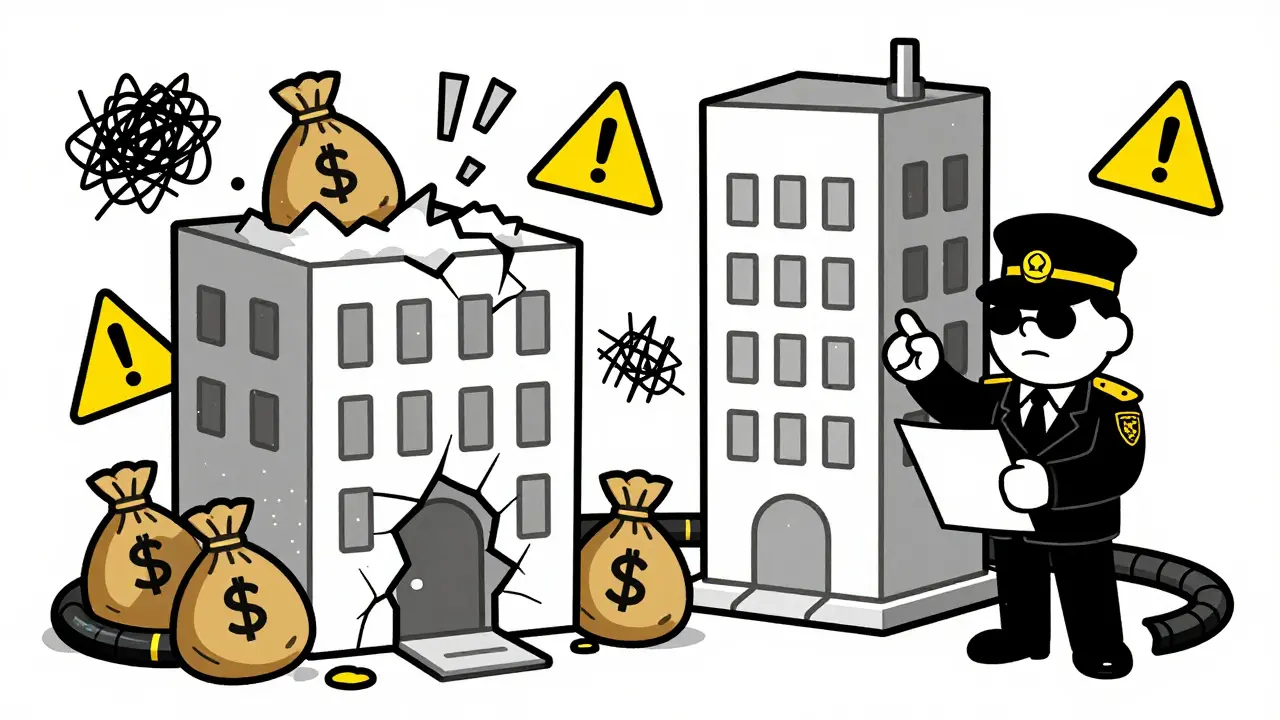
The Crackdown on Offshore Platforms
While domestic giants scramble to comply, the government is turning its attention outward. Indian authorities have issued notices to 25 offshore cryptocurrency exchanges, including names like Huione, CEX.IO, and BingX. These platforms are accused of money laundering risks and failing to comply with domestic registration requirements.
Here is the catch: these offshore platforms face potential bans if they fail to provide adequate explanations within 45-day notice periods. This creates a precarious situation for millions of Indian users who rely on these platforms for lower fees and access to niche altcoins. You might be tempted to use BingX because it’s cheaper, but if the government blocks access next month, your funds could be trapped or liquidated without recourse.
Conversely, major international players like Coinbase have successfully registered with India’s FIU, enabling compliant services. Binance also registered after paying a $2.2 million penalty, and KuCoin followed suit with a $41,000 fine. This shows that even global giants cannot ignore India’s regulatory demands. The message is clear: play by the rules, or get out.
Who Wins and Who Loses?
The current environment creates a divide in the market. On one side, you have larger firms like CoinDCX. They benefit from competitive advantages through better resources to meet regulatory requirements. Their status as a unicorn gives them the capital to invest in top-tier cybersecurity firms like Pi42 and educational services via partners like Mudrex. For these companies, compliance is a moat that protects them from smaller competitors.
On the other side, smaller exchanges face disproportionate challenges. The cost of hiring CERT-In-approved auditors and building AML systems is steep. This leads to market consolidation, where only the biggest players survive. For startups, this is a harsh reality check. Innovation may suffer as resources shift from product development to legal compliance.
However, there are winners in the support ecosystem. Cybersecurity firms and custody providers are thriving. Singapore-based Liminal Custody, for example, has emerged as an FIU-registered entity providing compliant digital asset custody services for Indian institutions. This demonstrates a pathway for international firms to operate legally within India’s framework, focusing on B2B services rather than direct retail trading.

Navigating the Future: Practical Advice for Traders
So, what should you do with your portfolio? The sentiment among traders is divided. Some seek convenience through offshore platforms, accepting the risk for lower costs. Others prioritize security through compliant domestic exchanges, willing to pay higher fees for peace of mind. Many are choosing a middle path: diversifying across compliant platforms to mitigate regulatory risks.
If you are holding significant value, consider these steps:
- Verify FIU Status: Check if your exchange is listed on the official FIU-IND registry. If it’s not, your funds are at risk of sudden platform shutdowns.
- Assess Security Posture: Look for exchanges that publicly share their cybersecurity audit results. Post-September 2025, this is a standard requirement for compliant firms.
- Diversify Custody: Don’t keep all your eggs in one basket. Use hardware wallets for long-term storage and only keep trading amounts on exchanges.
- Monitor News Closely: The 45-day compliance windows for offshore exchanges are ticking. Stay updated on which platforms receive warnings or bans.
Finance Minister Nirmala Sitharaman previously emphasized a balanced approach in 2022, warning against rushed regulations that might hinder progress. Yet, the current trajectory suggests the government is prioritizing compliance over convenience. With surging crypto adoption, the state sees regulation as the only way to ensure financial system integrity. Officials have stated plainly that platforms ignoring regulations will not be permitted to operate with impunity.
Conclusion: Adaptation is Key
The era of unregulated crypto trading in India is over. Whether you are using CoinDCX, navigating the aftermath of WazirX's issues, or considering offshore alternatives, the regulatory net is closing. The future of India’s crypto ecosystem depends on how well these platforms can balance innovation with strict oversight. For traders, staying informed and compliant is the best defense against uncertainty.
Is CoinDCX safe to use in 2026?
Yes, CoinDCX is considered safer regarding regulatory compliance as it is registered with the FIU-IND and adheres to mandatory cybersecurity audits. However, past security breaches highlight that no platform is immune to hacks, so users should still employ strong personal security measures like 2FA and hardware wallets.
What happened to WazirX after the $230 million hack?
After the 2024 hack, WazirX faced intense regulatory scrutiny and user backlash due to its slow recovery compared to international peers. It has since had to navigate stricter compliance requirements imposed by the FIU-IND to maintain its license and rebuild trust.
Can I still use offshore exchanges like Binance or BingX in India?
Binance is registered with the FIU-IND after paying penalties, making it compliant. However, other offshore platforms like BingX and Huione have received notices and face potential bans if they do not comply within 45-day windows. Using non-compliant offshore exchanges carries a high risk of sudden access loss.
What is the FATF Travel Rule and how does it affect me?
The FATF Travel Rule requires exchanges to share detailed sender and receiver information for all crypto transfers. In India, there is no minimum threshold, meaning even small transactions are tracked. This enhances transparency but reduces anonymity for users.
Why are cybersecurity audits now mandatory for crypto exchanges?
Following major hacks at WazirX (2024) and CoinDCX (2025), the FIU-IND mandated cybersecurity audits by CERT-In-approved firms in September 2025. This ensures that exchanges proactively identify and fix vulnerabilities, protecting user funds from theft.
