
You might have heard that Venezuela is a paradise for Bitcoin miners because of cheap electricity. That was the story in 2018. Today, the reality is drastically different. If you are looking to mine cryptocurrency in Venezuela legally, you are not just dealing with hardware and hash rates. You are stepping into one of the most heavily controlled, government-centric digital ecosystems on the planet.
The era of wild-west mining is over. The Venezuelan government has built a regulatory cage around crypto mining. To operate legally, you must get state approval, join a mandatory national pool, and accept that the government can freeze your payouts at any moment. This guide breaks down exactly what those requirements are, who enforces them, and why many experts consider this high-risk territory despite the low energy costs.
Who Controls the Game? Understanding SUNACRIP
Before you buy a single ASIC miner, you need to know who holds the keys. In Venezuela, that entity is SUNACRIP, or the National Superintendency of Crypto Assets and Related Activities. This agency oversees all crypto-related activities, including mining, exchanges, and wallet services. It operates under the authority of the Constituent Decree on the Integral System of Cryptoassets (SIC).
SUNACRIP is not a stable institution. It was originally established in 2018, replaced an older agency called SUPCACVEN in 2019, and then faced a major crisis. In March 2023, operations were suspended due to corruption probes involving the oil industry and ministry leadership. By March 2024, the agency underwent reorganization, bringing in private sector voices through CAVEMCRIP. As of mid-2026, SUNACRIP is back online, but its enforcement capabilities remain inconsistent. You are dealing with a regulator that has been paused, restructured, and scrutinized for misappropriation of funds. Trust is not a given here.
The Core Requirement: The National Digital Mining Pool
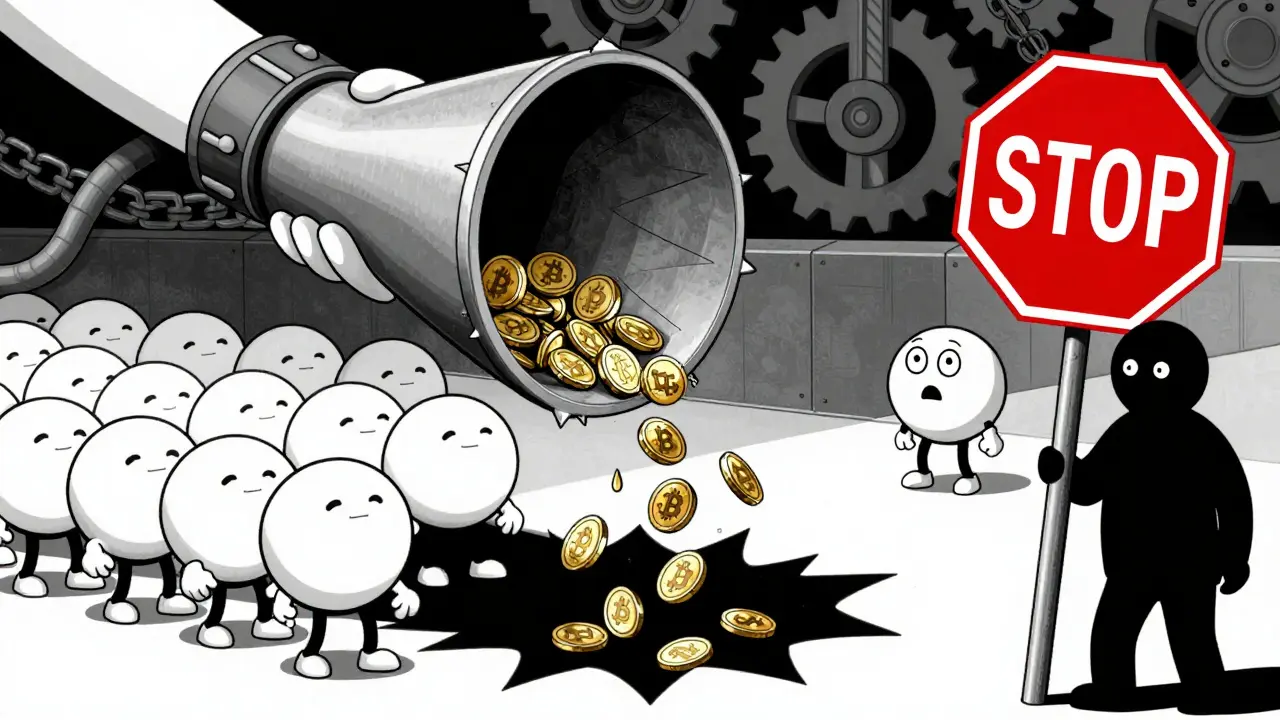
This is the single most important rule you must understand. You cannot mine independently. Under current Venezuelan law, all licensed miners must connect their equipment to the National Digital Mining Pool. This is a government-controlled system that aggregates the hashing power of all legal miners in the country.
Why does this matter? Because it gives the state total visibility and control over your earnings. When you mine, the rewards go into this central pool. The government tracks your contribution, calculates your payout, and applies taxes before releasing funds to you. More critically, the authorities reserve the right to freeze or delay these payments indefinitely. There have been widespread reports from local miners describing payment freezes lasting months without clear explanation. If you value financial sovereignty-the core promise of Bitcoin-this model contradicts it entirely.
Mining outside this pool is strictly prohibited. If you are caught operating a private node or connecting to an international pool like F2Pool or ViaBTC, your equipment will be confiscated, and you face legal action. The state views unregistered mining as theft of national resources.
Licensing Steps: How to Get Legal Status
If you decide to proceed within the legal framework, the path to compliance is bureaucratic and slow. Here is what the process looks like based on current SUNACRIP guidelines:
- Establish a Local Entity: You cannot apply as an individual freelancer. You must register a formal business entity with Venezuelan commercial authorities. This requires local legal representation and significant upfront capital.
- Apply for the Mining License: Submit a detailed application to SUNACRIP. This includes technical specifications of your mining rigs, energy consumption plans, and financial projections. The review period typically takes between three to six months.
- Register in RIM: Once approved, you must enroll in the Integral Miners Registry (RIM). This is the official database of legal miners. Your name, location, and hash rate become public record held by the state.
- Import Hardware Legally: If you are bringing in new ASICs, you need special import licenses. Customs supervision is direct and strict. Expect arbitrary fee increases and long delays at ports. Many importers report losing weeks waiting for clearance.
- Technical Integration: You must integrate your mining software with the National Digital Mining Pool’s infrastructure. This requires IT support familiar with both blockchain protocols and Venezuelan government APIs.
Note that manufacturers of mining equipment and data center operators also need separate special licenses. Every link in the supply chain is monitored.
Taxation: The Cost of Compliance
Legal mining in Venezuela comes with a heavy tax burden. The Servicio Nacional Integrado de Administración Aduanera y Tributaria (SENIAT) is responsible for collecting these taxes. They do not have a specific "crypto tax law," so they apply existing general laws, treating cryptocurrency as assets rather than currency.
| Tax Type | Rate / Impact | Application Details |
|---|---|---|
| IGTF (Large Financial Transactions Tax) | Up to 20% | Applied to transactions not conducted in Bolivars or Petro. This can hit your conversion fees hard. |
| ISLR (Income Tax) | Progressive (up to 34%) | Levied on profits from selling mined coins or receiving mining rewards. Treated as ordinary income. |
| VAT (IVA) | 16% | May apply to exchange fees or service contracts, though not directly to the trade of crypto itself. |
SENIAT has been intensifying its crackdowns. Using KYC data from exchanges and blockchain tracking tools, they are identifying unreported income. For licensed miners, the "benefit" is clarity-you know what you owe. But the rates are high enough to eat into margins, especially when combined with operational inefficiencies.
Operational Risks Beyond Regulation
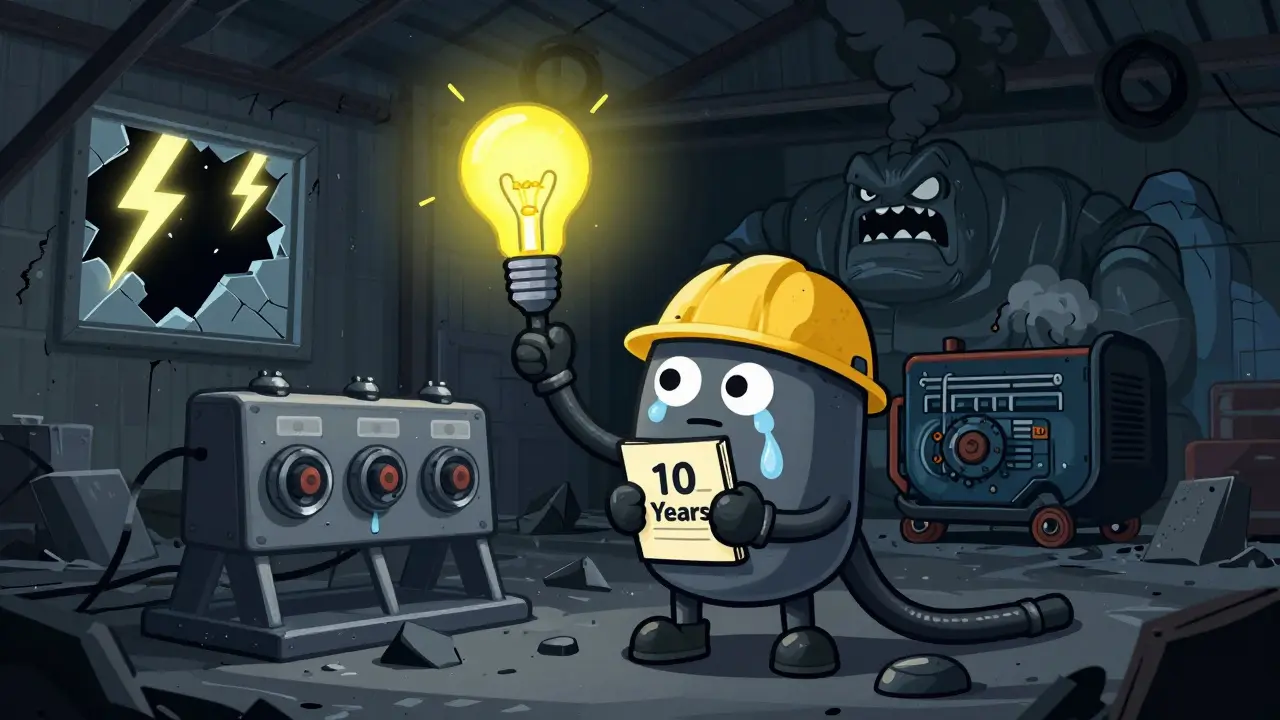
Even if you navigate the paperwork, running a mine in Venezuela is physically challenging. The narrative of "cheap electricity" is misleading. While base rates are low, the grid is unstable. Blackouts are common, and industrial users often face rationing. You will need massive battery backups or diesel generators, which raises your effective cost per kilowatt-hour significantly.
Then there is the political risk. Following the disputed elections in July 2024, unrest has continued. International sanctions, including US bounties on government officials, create reputational risks for any foreign company operating here. Banks may refuse to touch your money. Insurance companies may decline to cover your hardware. And remember the corruption scandal: over $3 million was misappropriated from state crypto programs in 2023. Who guarantees your next payout?
Is It Worth It? A Decision Framework
Let’s be direct. For most international investors, the answer is no. The combination of mandatory pooling, payment freeze risks, complex licensing, and political instability makes Venezuela a hostile environment for profit-driven mining.
However, some local operators stay in the game. Why? Because the alternative is hyperinflation of the Bolivar. For Venezuelans, mining is a way to earn hard currency (Bitcoin) to survive. For them, the state license offers a sliver of protection against confiscation. If you are a local resident seeking to preserve wealth, the legal route provides a documented trail that might help in disputes.
If you are a foreign entity, ask yourself: Can I afford to lose my entire hardware investment if the government changes policy overnight? Can I handle a 6-month delay in getting paid? If the answer is yes, then you might explore the market. But for 99% of miners, jurisdictions like Texas, Kazakhstan, or even Canada offer better stability, clearer laws, and reliable grids.
Record Keeping: The 10-Year Rule
One final administrative burden: documentation. Licensed miners must maintain complete records of all mining activities, equipment usage, and financial transactions for a mandatory 10-year period. This is not optional. Audits can happen at any time. You need sophisticated accounting systems that track every satoshi earned and spent. Small-scale operators often find this requirement disproportionately burdensome, requiring professional bookkeepers who understand both crypto mechanics and Venezuelan tax law.
Can I mine Bitcoin in Venezuela without a license?
Technically, you can try, but it is illegal. Operating outside the National Digital Mining Pool is prohibited. Authorities actively hunt for unlicensed miners. Penalties include confiscation of all mining equipment and potential criminal charges. Given the intense surveillance and community reporting, staying hidden is nearly impossible for serious operations.
How long does it take to get a SUNACRIP mining license?
The official timeline is 3 to 6 months. However, due to bureaucratic inefficiencies and occasional suspensions of the agency, this can extend longer. You must submit detailed business plans, technical specs, and financial proofs. Delays in customs for importing hardware can add another 1-3 months to your startup time.
What happens if the government freezes my mining payouts?
If your payouts are frozen via the National Digital Mining Pool, you have very limited recourse. The government cites security or audit reasons. There is no independent judicial body that quickly resolves these disputes. Miners have reported waiting months or even years for partial releases. This is the biggest financial risk of the state-licensed model.
Is the electricity in Venezuela really cheap for miners?
Base rates are among the lowest globally, but reliability is poor. Frequent blackouts mean you cannot run 24/7 without expensive backup generators. When you factor in fuel costs for diesel generators and maintenance, the effective cost per kWh rises significantly, eroding the price advantage compared to other countries with stable grids.
Can foreigners own a crypto mining company in Venezuela?
Yes, but it is complicated. You must establish a local legal entity and comply with foreign investment regulations. However, international sanctions and banking restrictions make moving capital in and out extremely difficult. Most foreign involvement is now indirect or through shell structures, which carries additional legal risks.
What is CAVEMCRIP and why does it matter?
CAVEMCRIP is a private-sector council formed during SUNACRIP's 2024 reorganization. It aims to give industry players a voice in regulation. While it suggests a move toward more practical rules, its actual power is limited. SUNACRIP still holds the ultimate authority, and CAVEMCRIP’s influence remains unclear in day-to-day enforcement.
Are there any tax exemptions for crypto miners in Venezuela?
No specific tax exemptions exist for crypto mining. Miners pay standard Income Tax (ISLR), VAT on services, and potentially the IGTF. The government treats crypto earnings as taxable income. Any rumors of tax holidays are outdated or misinformation; always consult a local tax advisor for current liabilities.
